
Guide
Hybrid Solar System Cost & ROI: The Complete 2026 Buyer’s Guide
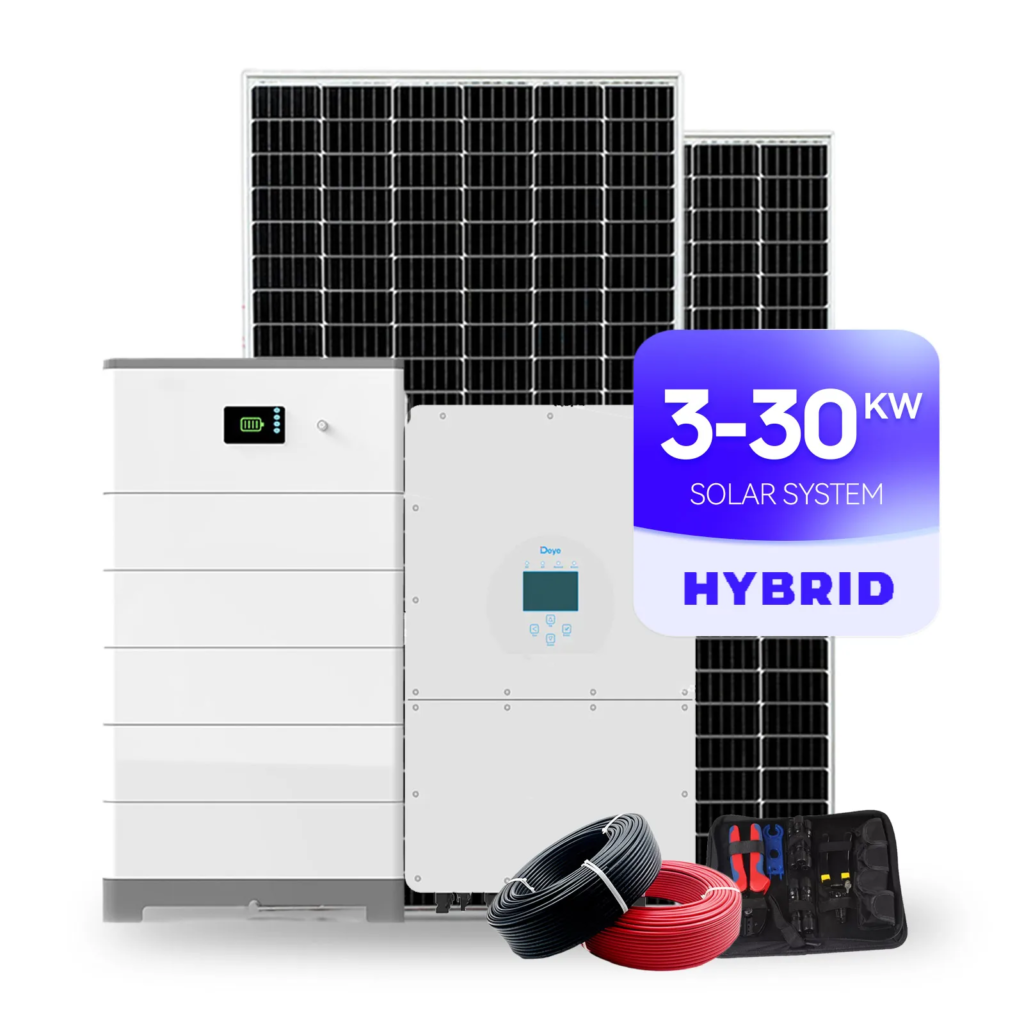
Solar power is one of the biggest home investments most people will ever make. The promise of lower electricity bills and energy independence is powerful — but so is the sticker shock. That tension leads to two practical questions almost every homeowner asks: Can I save money by buying the equipment myself and hiring an electrician for the install? And once the system is in place, is a hybrid solar system actually worth the higher upfront cost?
-
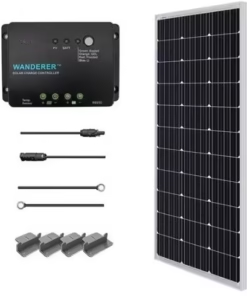
Renogy Solar Kit – Renogy 100 Watt 12 Volt Solar Starter Kit Authentic
Original price was: $230.99.$207.89Current price is: $207.89. -

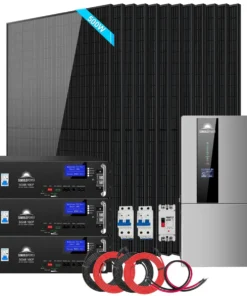
Hybrid Solar Kit 7.6KW 48V Split Phase 15.36KWH-30.72KWH SGH-7.6N3E SGH-7.6DN6E
Price range: $5,196.60 through $15,427.80
This guide answers both questions with realistic 2026 numbers, clear breakdowns, and a straightforward look at return on investment.
Can I Buy Solar Panels Myself and Hire an Electrician to Install Them?
Yes, it is technically possible in many locations — but it is rarely the simple cost-saving shortcut it appears to be.
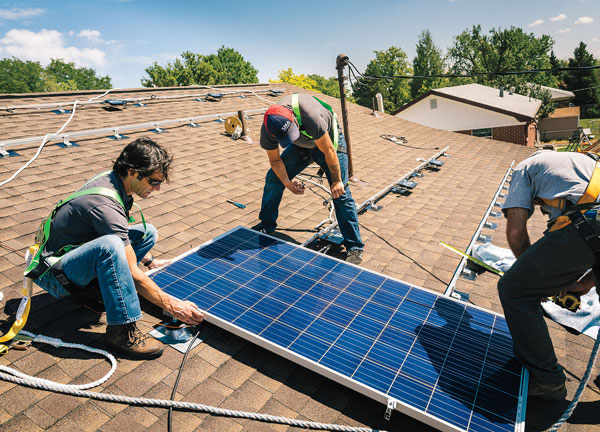
You can purchase panels, a hybrid inverter, batteries, and racking on your own (often as a hybrid solar system kit) and hire a licensed electrician to handle the electrical work and interconnection. In some jurisdictions, homeowners are even allowed to perform the mechanical mounting themselves. However, several important catches quickly appear:
- Permitting and inspections — Nearly every jurisdiction requires building and electrical permits. Many require stamped engineering drawings. Homeowners often cannot pull the permits themselves; a licensed contractor is required. Failed inspections are common when the work is not done by experienced solar professionals.
- Utility interconnection — Grid-tied hybrid systems need formal approval (Permission to Operate) from the utility. Most utilities will only accept applications and sign-offs from licensed contractors or electricians familiar with their interconnection process.
- Warranty implications — Many major panel, inverter, and battery manufacturers require installation by a certified professional for the full product warranty to remain valid. Self-purchased equipment installed by a general electrician (or partially by the homeowner) can void or limit coverage.
- Insurance and liability — Improper installation can create fire or structural risks. Some homeowner insurance policies may not fully cover damage related to non-professional solar work.
- Hidden costs — Engineering stamps, permit fees, specialized tools, potential roof reinforcement, and the higher hourly rate of an electrician who is not a solar specialist often erase much of the expected savings.
While a hybrid approach (you buy the equipment, a pro handles the electrical and interconnection) can reduce labor costs somewhat, the total savings are frequently smaller than expected once compliance, warranty, and risk factors are included. For most homeowners, a full professional installation of a hybrid solar system for home remains the cleaner, lower-risk path.
That brings us to the real question: what does a properly installed hybrid system actually cost in 2026?
How Much Does a Hybrid Solar System Cost?
In 2026, a typical residential hybrid solar system (solar panels + hybrid inverter + battery storage) generally ranges from $25,000 to $50,000+ before any local incentives, depending on size and location. A common mid-size example — roughly 8–10 kW of panels paired with 10–15 kWh of battery storage — often falls in the $35,000–$45,000 range installed.
Here is a simplified cost breakdown:
| Component | Typical 2026 Cost Range (Installed) | Notes |
|---|---|---|
| Solar Panels (8–10 kW) | $18,000 – $28,000 | ~$2.30–$3.50 per watt |
| Hybrid Inverter | $3,000 – $7,000 | Manages solar, battery, and grid |
| Battery Storage (10–15 kWh) | $9,000 – $18,000 | Lithium iron phosphate common |
| Labor, Permits, Misc. | $4,000 – $8,000 | Includes mounting, wiring, interconnection |
| Total (before incentives) | $35,000 – $50,000+ | Varies by region and complexity |
Important 2026 note on incentives: The federal Residential Clean Energy Credit (Section 25D), which previously offered a 30% tax credit on solar and battery systems, expired for new residential installations after December 31, 2025. New hybrid systems installed in 2026 do not qualify for that federal credit. Some state, utility, or local rebates may still apply — these vary widely by location and can meaningfully reduce net cost. Always check current local programs.
Other factors that move the price include roof complexity or age, electrical panel upgrades, system size, battery capacity desired for backup, and regional labor rates.
Is a Hybrid Solar System Worth It?
A hybrid solar system costs more than a basic grid-tied solar system because it includes battery storage and a more capable hybrid inverter. In return, you gain three major benefits:
- Bill savings — You use more of your own solar production (stored in the battery for evening use) instead of buying expensive grid power or accepting low export rates.
- Backup power — Critical loads (lights, refrigerator, internet, medical devices, etc.) can stay on during outages.
- Future flexibility — The system is better positioned for time-of-use rates, potential virtual power plant programs, and greater energy independence.
Compared with alternatives:
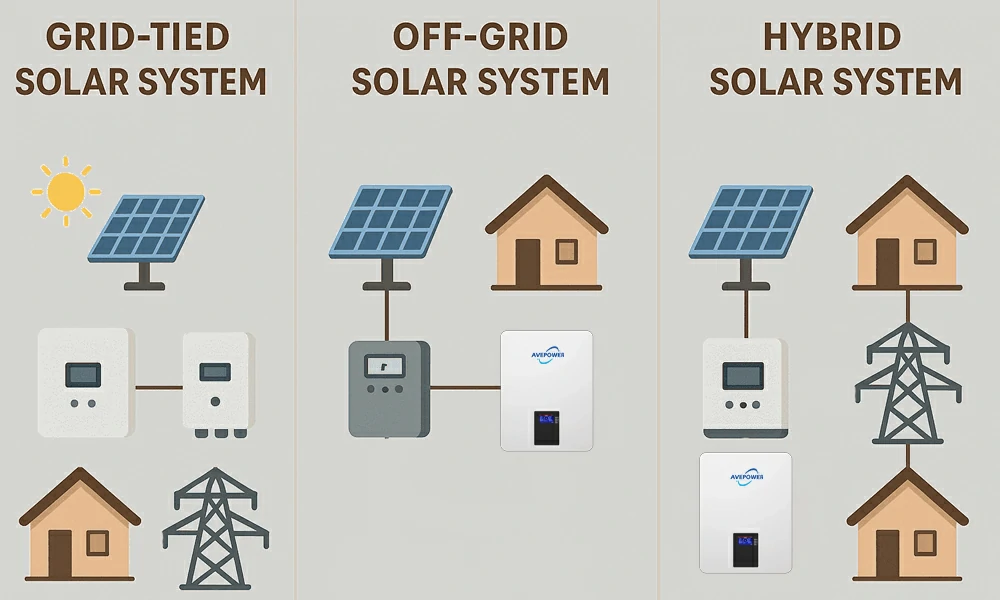
- Grid-tied only (no battery) — Lower upfront cost and faster pure bill-savings payback, but no backup during outages.
- Off-grid — Highest cost and complexity; usually overkill for most homes that still have grid access.
- Hybrid — Higher cost than grid-tied, but adds resilience and better self-consumption.
Typical ROI picture in 2026 (without the old 30% federal credit): Payback periods for hybrid systems commonly fall in the 8–15 year range, depending on your local electricity rates, how much you value backup power, and available state/utility incentives. Homes with high electricity rates, frequent outages, or time-of-use pricing that heavily penalizes evening consumption tend to see the strongest returns.
A simple rule of thumb: If your average power outage creates meaningful inconvenience or cost, and your monthly bill savings from the solar + storage combination are solid, the system often reaches break-even within a decade and then continues delivering value for the remaining life of the equipment (panels typically 25+ years, batteries 10–15+ years with proper cycling).
-
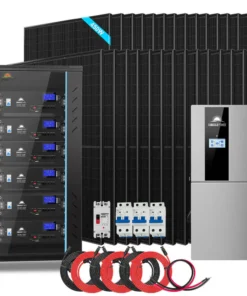
Hybrid Solar Kit 11.4KW 48V Split Phase 30.72KWH 28 x 450W SGH-11N3E
Price range: $9,457.20 through $14,060.70 -
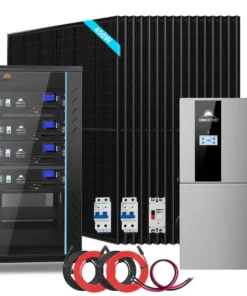
Hybrid Solar Kit 11.4KW 48V Split Phase 20.48KWH-51.2KWH SGH-11N2E SGH-11N5E
Price range: $7,497.90 through $21,901.50
The decision is not purely financial. Many homeowners place real value on keeping the lights on, protecting food and medications during blackouts, and reducing reliance on the utility. When those benefits are factored in, a well-sized hybrid solar system for home is frequently considered worthwhile even if pure payback stretches longer than a simple grid-tied system.
Next Steps
A hybrid solar system is a significant investment, but it is also one of the most effective ways to cut long-term energy costs while adding resilience. The best next step is to get numbers specific to your home, roof, usage, and local incentives.
Request a detailed quote that includes system size recommendations, expected production, battery options, and a clear comparison of your current electricity bill against projected savings. Many providers also offer system-size calculators so you can model different configurations before committing.
Understanding the full picture — realistic costs, the limitations of DIY approaches, and the true value of backup power — puts you in the strongest position to decide whether a hybrid solar system is the right move for your home in 2026.