
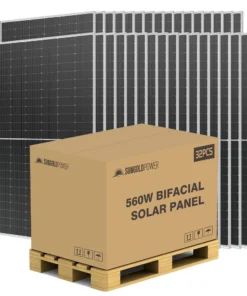
 560W Bifacial N-Type Solar Panel Full Pallet — 32 Panels (SG-560WBG)
 Subtotal: $5,660.10
Sale!
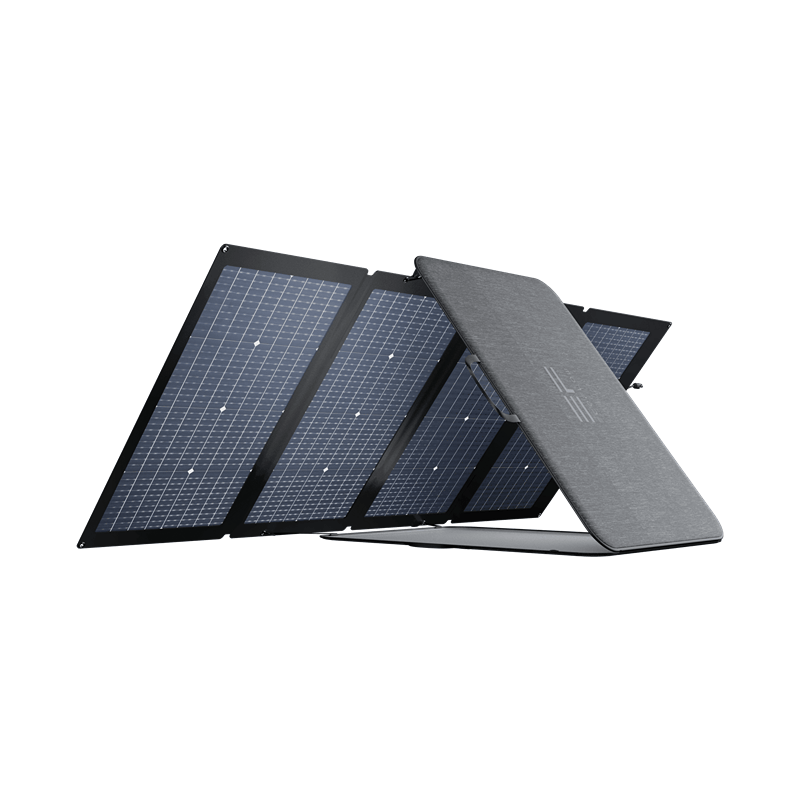
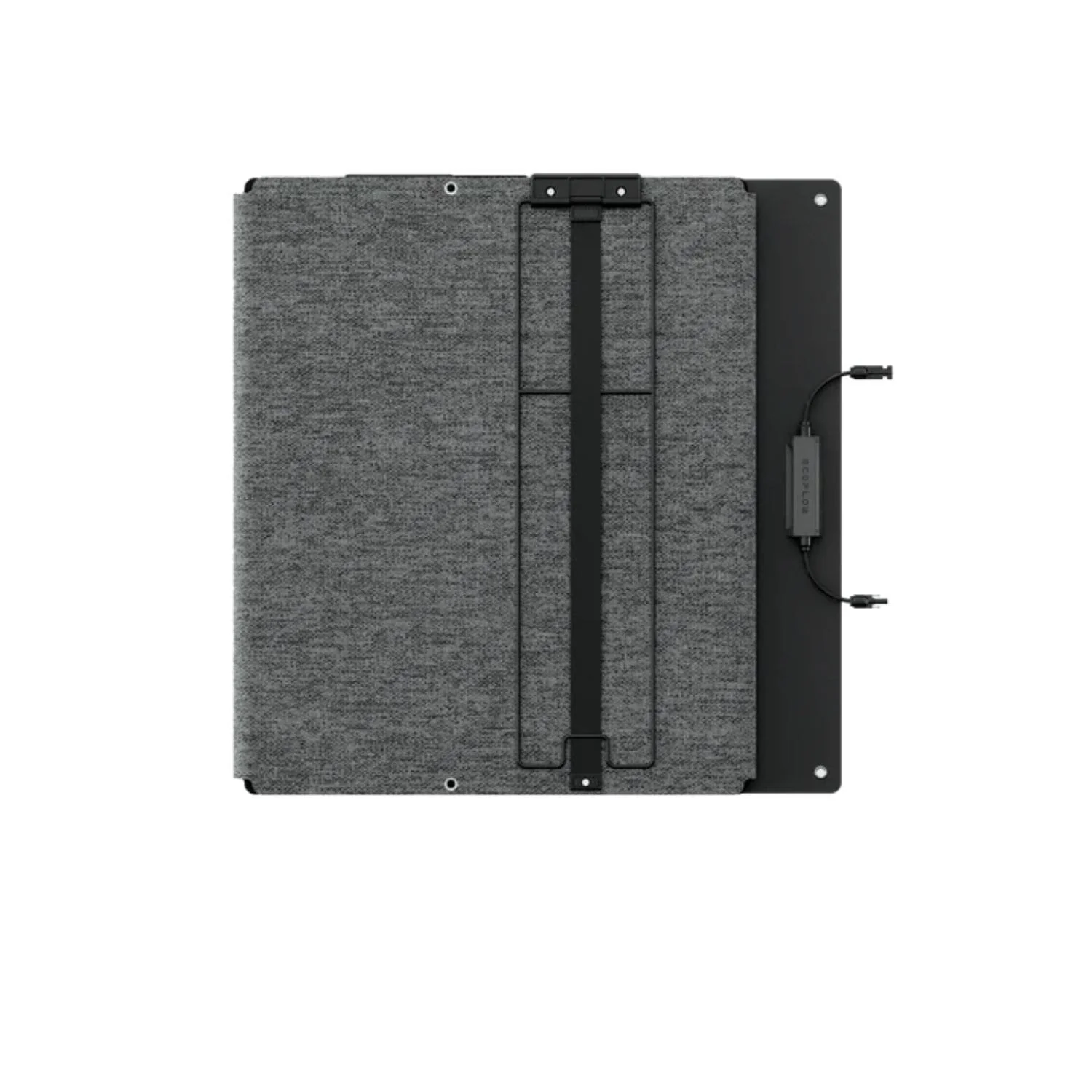
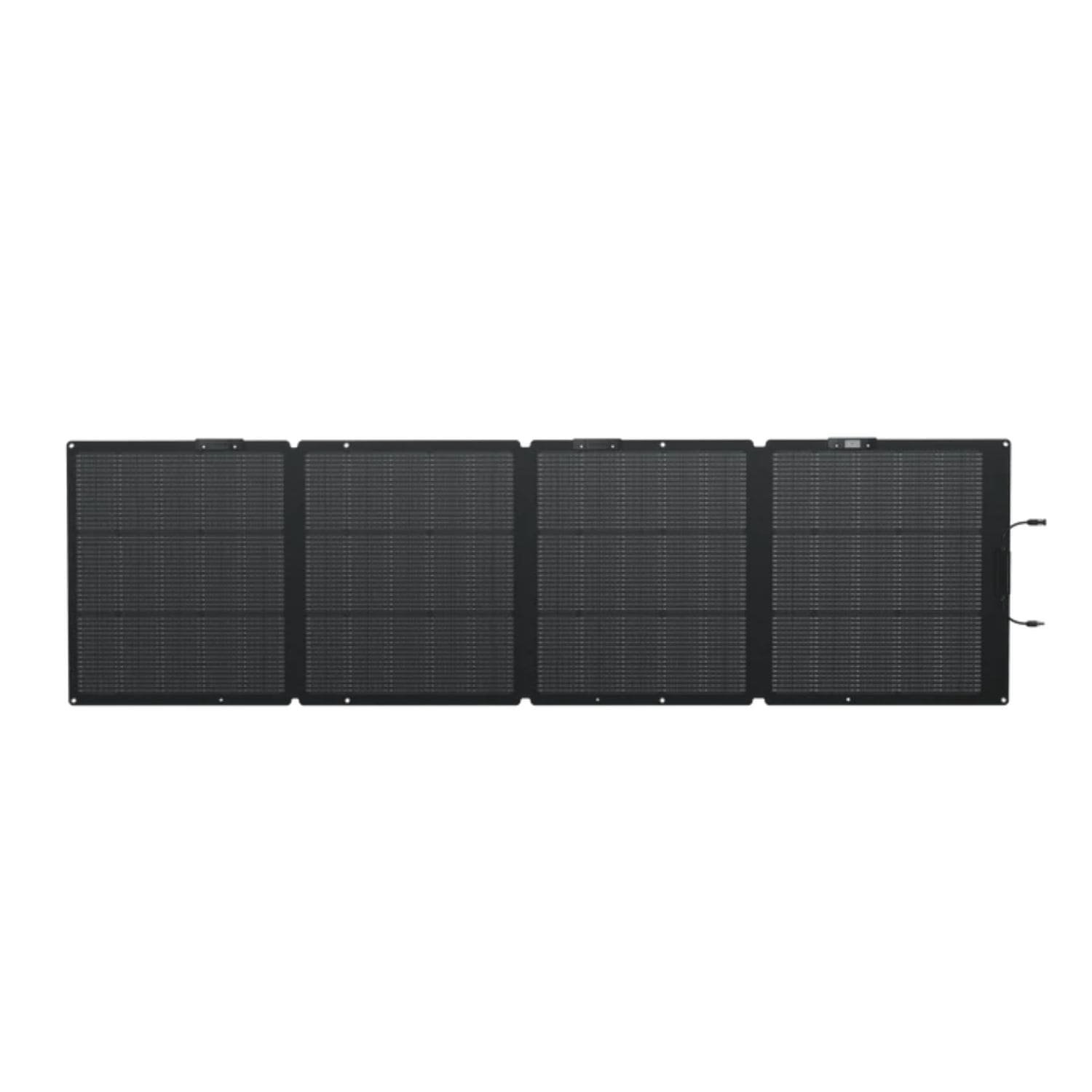
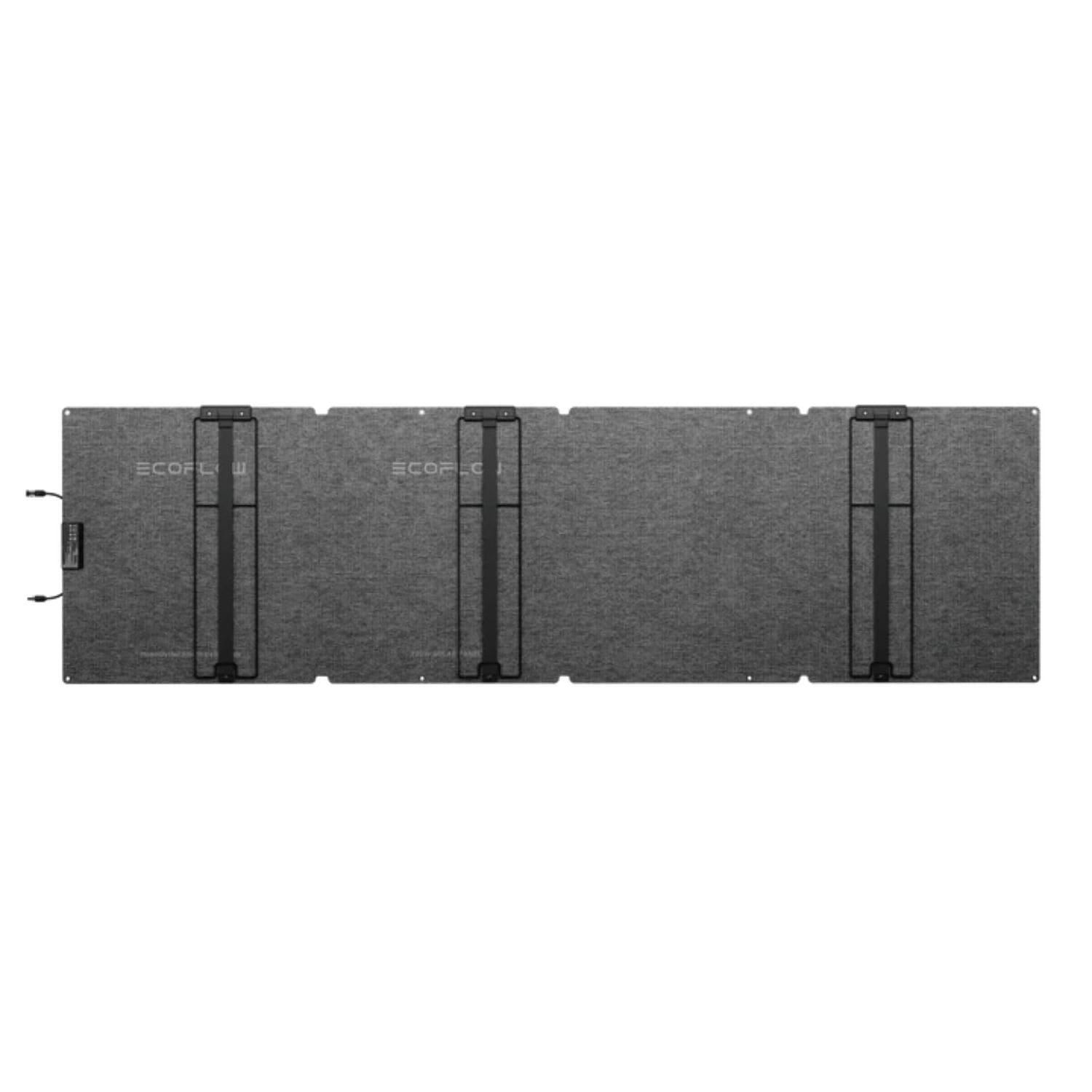
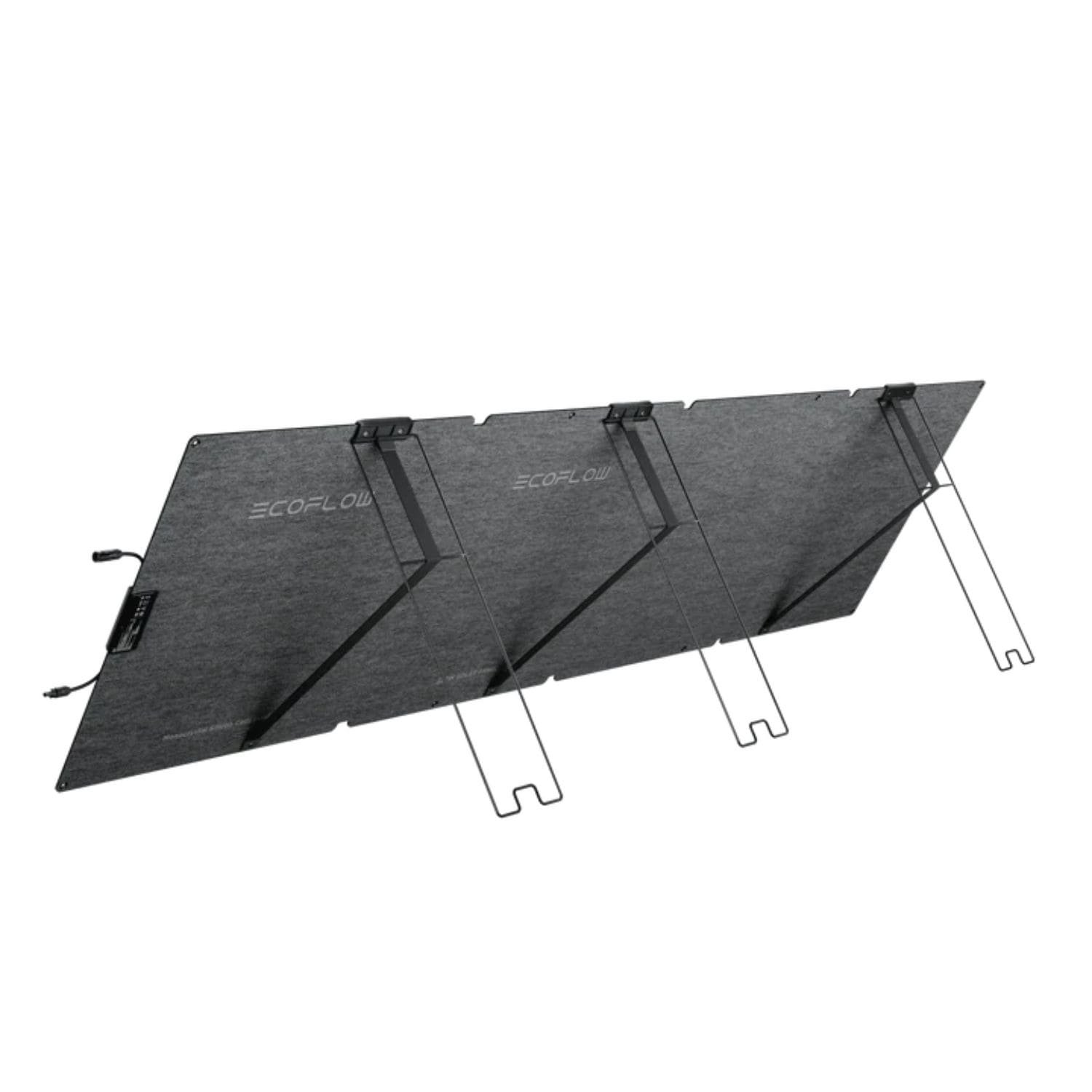
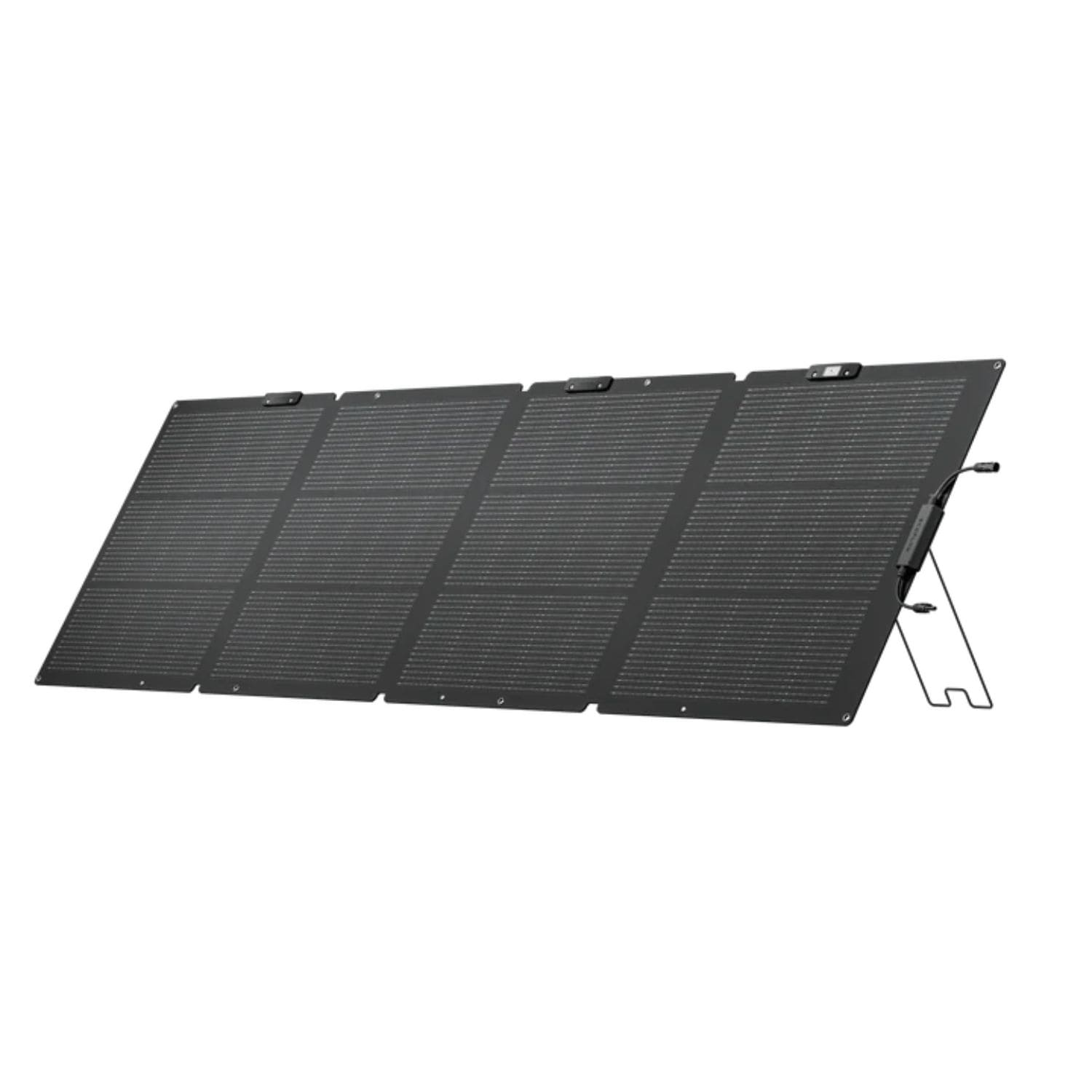
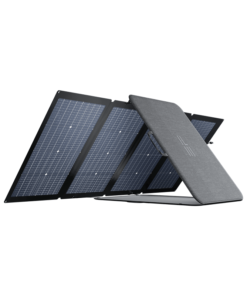
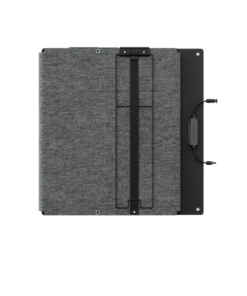
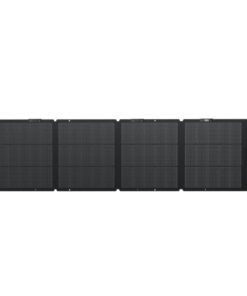
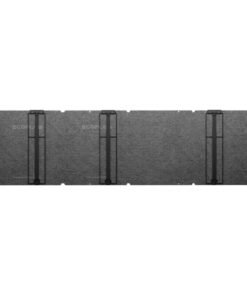
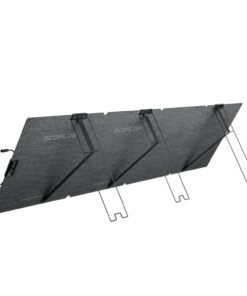
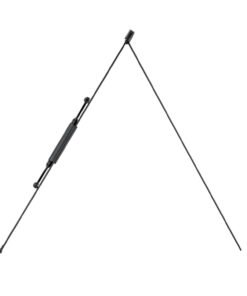
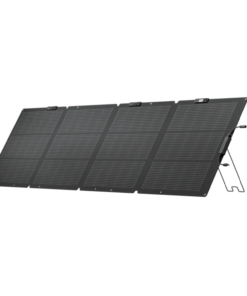
220W EcoFlow Bifacial Solar Panel – Efficient Portable Power from Both Sides

Original price was: $649.99.$499.99Current price is: $499.99.
Key Specifications
| Specification | Details |
|---|---|
| Rated Power | 220W (±5W) |
| Cell Type | N-Type TOPCon monocrystalline silicon |
| Efficiency | 25.00% |
| Weight | Approx. 15.9 lb (7.2 kg) |
| Dimensions (Unfolded) | 23.6 × 83.6 × 1.0 in (600 × 2123 × 25 mm) |
| Dimensions (Folded) | 23.6 × 22.5 × 1.3 in (600 × 571 × 32 mm) |
| Open Circuit Voltage | 21.5V (Vmp 18.4V) |
| Short Circuit Current | 12.4A (Imp 11.9A) |
| Connector Type | Photovoltaic connectors |
| Waterproof & Dustproof | IP68 |
| Warranty | 12 months |
Looking for more energy from a compact portable panel? The ecoflow bifacial solar panel, specifically the ecoflow nextgen 220w bifacial portable solar panel, uses advanced N-Type TOPCon cells to deliver strong output from both the front and rear sides. This design captures direct sunlight plus reflected light, helping you charge portable power stations faster in the right conditions.
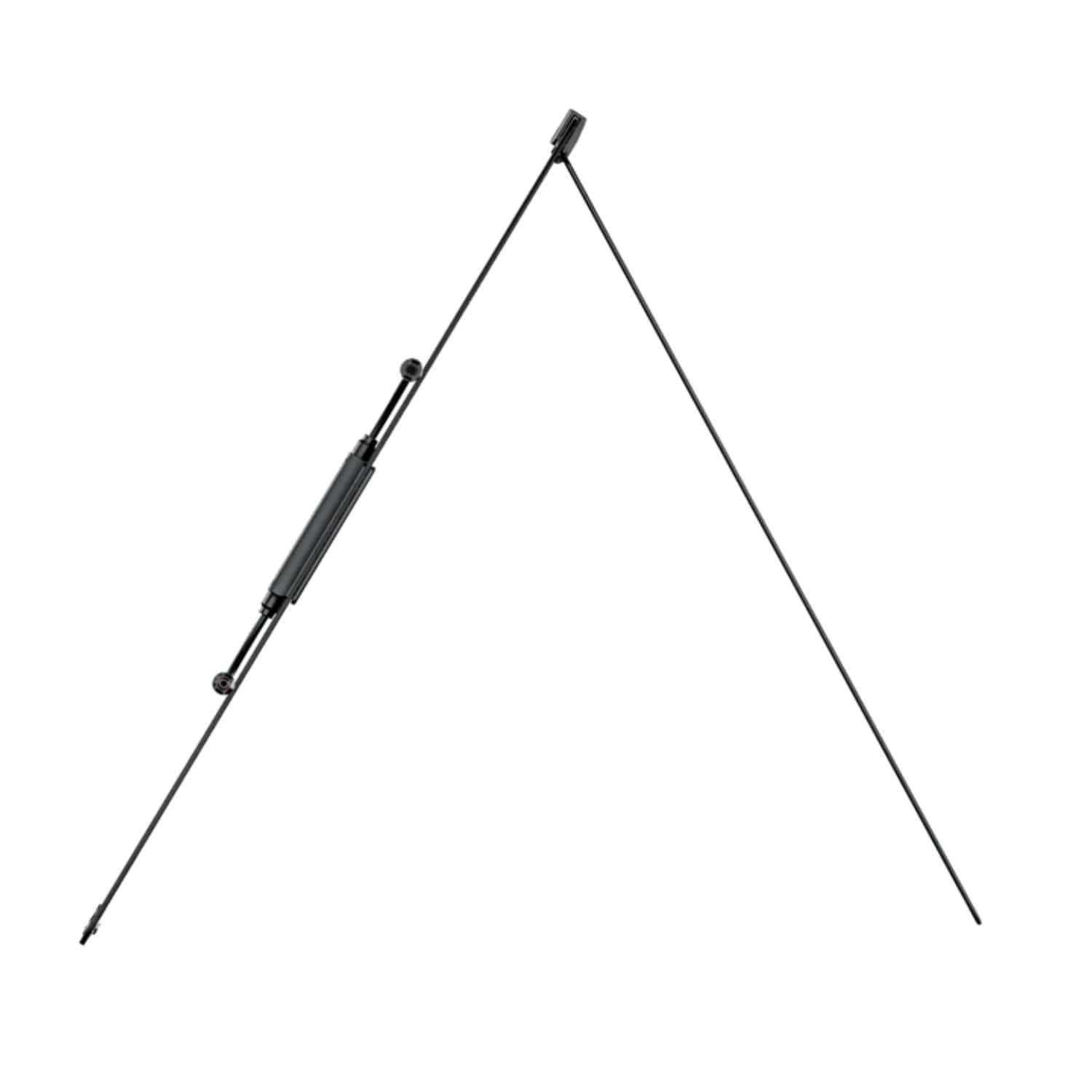
Rated at 220W on the primary side (with additional rear-side contribution from ambient light), this panel reaches up to 25% conversion efficiency. It folds for easy transport, sets up quickly with an integrated adjustable stand (30–60°), and carries an IP68 waterproof and dustproof rating for reliable outdoor use. At approximately 15.9 lb (7.2 kg), it balances power and portability for camping, RV trips, emergency backup, and off-grid setups.
These bifacial solar panels for sale from EcoFlow are designed for users who want higher real-world energy harvest from a portable form factor. The dual-sided design can deliver meaningful extra output when placed over reflective surfaces such as light-colored ground, sand, concrete, or snow.
Are Bifacial Solar Panels Worth the Extra Cost?
Yes, when conditions allow the rear side to capture meaningful reflected light. Bifacial panels typically cost more than standard monofacial panels, but they can generate 5–25% (or more) additional energy depending on surface reflectivity (albedo), mounting height, and tilt. Gains are highest over light-colored or reflective surfaces and lower over dark grass or soil. For portable use with EcoFlow power stations, the extra energy can shorten charge times in favorable setups, making the premium worthwhile for many users who prioritize output and efficiency. On surfaces with little reflection, the advantage shrinks and a good monofacial panel may offer better value.
Can You Install Bifacial Solar Panels on a Roof?
Yes, but performance depends heavily on how they are mounted. Bifacial panels need space and light reaching the rear side to deliver their full benefit. Flush-mounted installations on dark residential roofs usually produce only minimal rear-side gain (often 0–5%). They perform much better on elevated mounts, flat commercial roofs with reflective membranes, carports, pergolas, or ground-mounted systems where light can reflect underneath. For most standard pitched home roofs with limited clearance, monofacial panels are often the more practical and cost-effective choice. Portable bifacial models like theecoflow bifacial solar panel (NextGen 220W)
are primarily designed for temporary ground or stand use rather than permanent roof mounting.Bifacial vs Monofacial Solar Panels: Which Should You Choose?
- Choose bifacial if you can position the panel over reflective surfaces, use elevated or ground mounts, or want maximum energy from a portable panel in good conditions. The rear side adds usable power when light reaches it.
- Choose monofacial for standard flush roof installations, darker surfaces, or when minimizing upfront cost is the priority. Monofacial panels are simpler, usually less expensive, and deliver consistent front-side performance without relying on rear-side conditions.
The ecoflow bifacial solar panel (NextGen 220W) combines high-efficiency N-Type cells, dual-sided collection, IP68 protection, and portable design. It is a strong option for users who want faster charging of EcoFlow (or compatible) power stations and are willing to optimize placement for the bifacial advantage. Check current bifacial solar panels price and availability to see how it fits your setup.
Be the first to review “220W EcoFlow Bifacial Solar Panel – Efficient Portable Power from Both Sides”
Related products
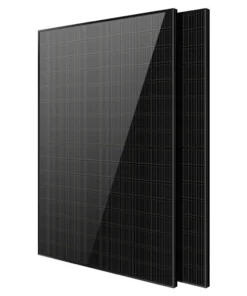
premium solar panels
450W Bifacial N-Type Monocrystalline Solar Panel SGN-450-BDG5
Price range: $723.00 through $3,650.00
This product has multiple variants. The options may be chosen on the product page
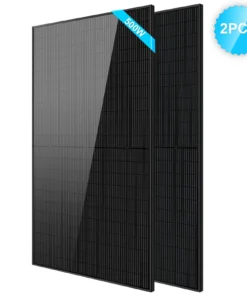
premium solar panels
Price range: $803.00 through $3,960.00
This product has multiple variants. The options may be chosen on the product page
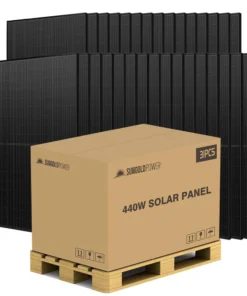
premium solar panels
440W Mono Black N-Type Solar Panel Full Pallet — 31 Panels (SGN-440-SW5)
$4,416.00
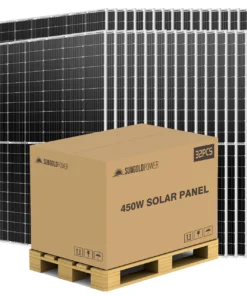
premium solar panels
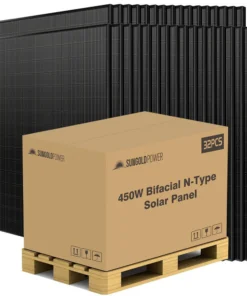
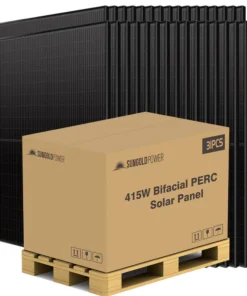
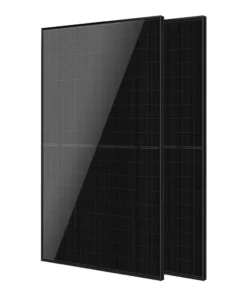
450W Bifacial N-Type Monocrystalline Solar Panel Full Pallet — 32 Panels (SGN-450-BDG5)
$4,662.00
premium solar panels
440W Mono Black N-Type Solar Panel SGN-440-SW5 UL CEC Listed
Price range: $697.00 through $3,471.00
This product has multiple variants. The options may be chosen on the product page
Reviews
There are no reviews yet.