
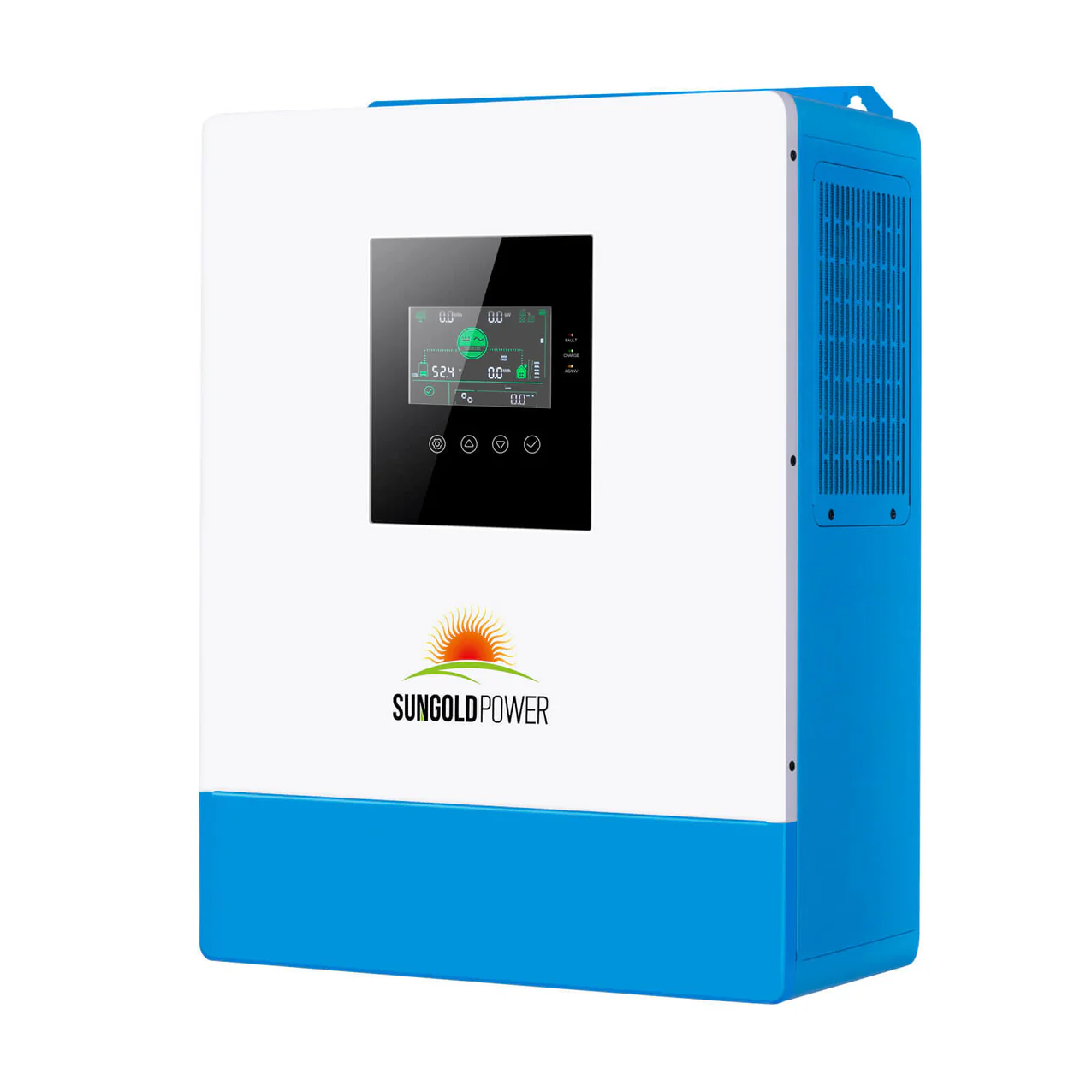
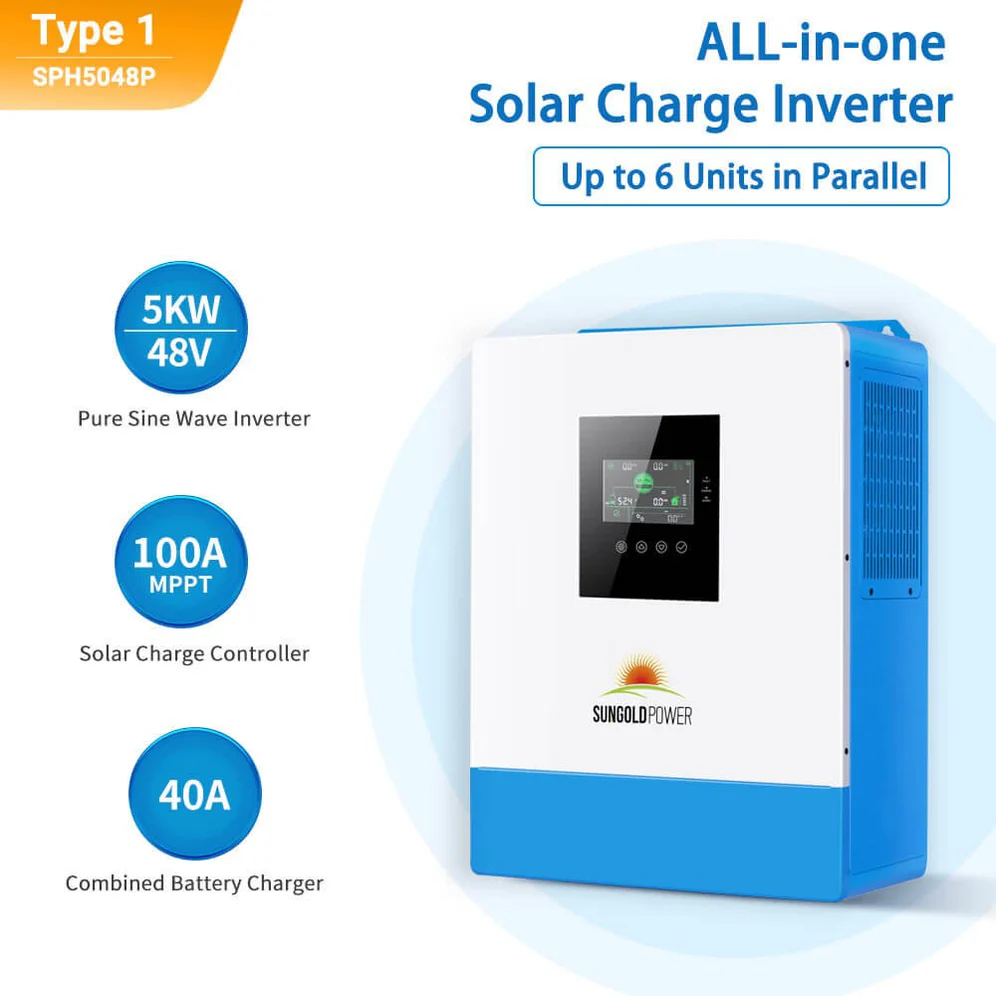
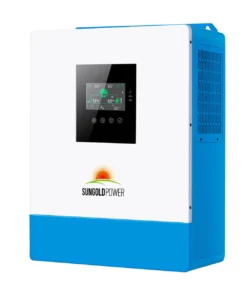
All In One Solar Inverter 5kW 48V — Authentic [MPPT Integrated]
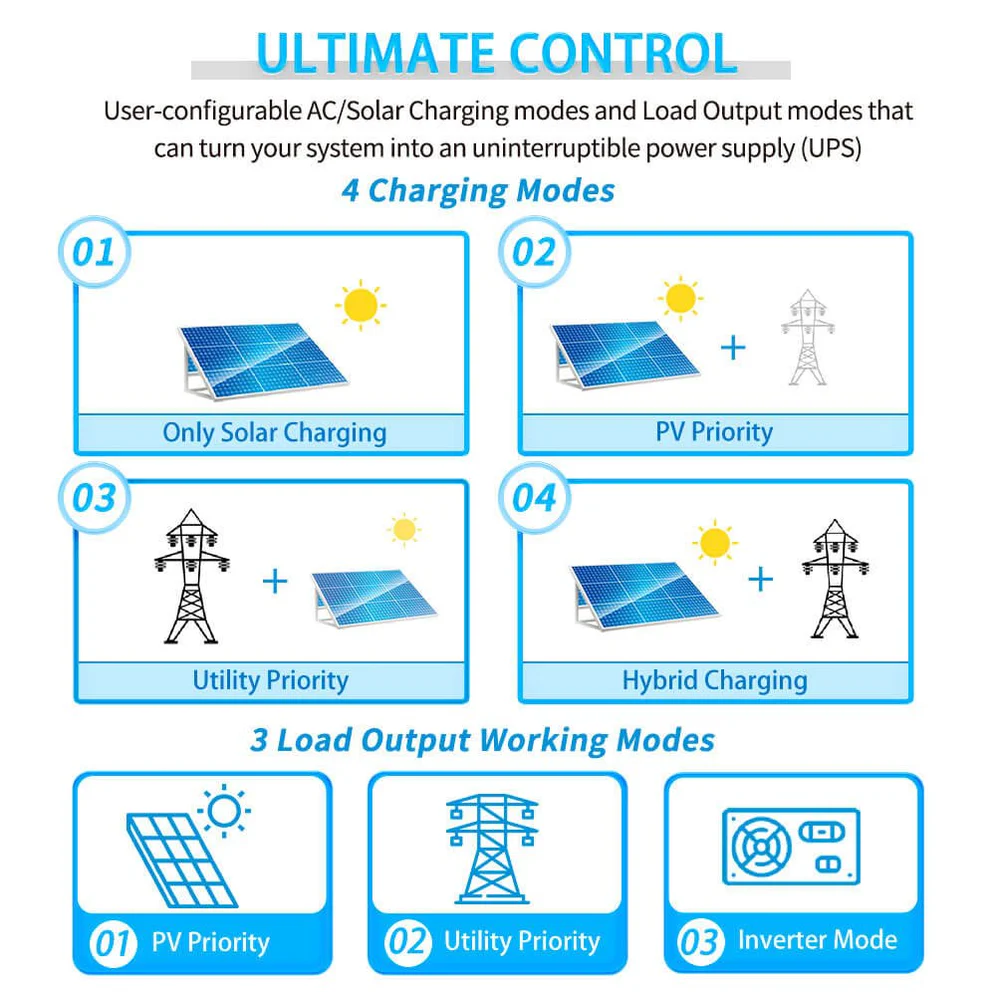
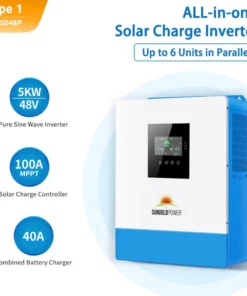
The all in one solar inverter that eliminates the need for separate solar charge controller, AC charger and inverter hardware — this 5,000W 48V unit integrates MPPT solar charging, AC battery charging and pure sine wave AC output inversion into a single installation. Off-grid homes, remote cabins and backup power systems benefit from the simplified wiring, reduced component count and unified monitoring that a genuinely integrated home inverter platform provides. The 48V DC architecture manages the transition between solar generation, battery storage and AC load supply automatically — operating as a managed off-grid power system from a single hardware installation point.
Table of Contents
- Product Specifications
- All-In-One Architecture — What It Means in Practice
- MPPT Solar Charging
- AC Battery Charging
- 5kW Pure Sine Wave Output
- Solar Power Inverter Home Integration
- Inverter With Battery — System Design
- FAQ
Product Specifications
| Parameter | Detail |
|---|---|
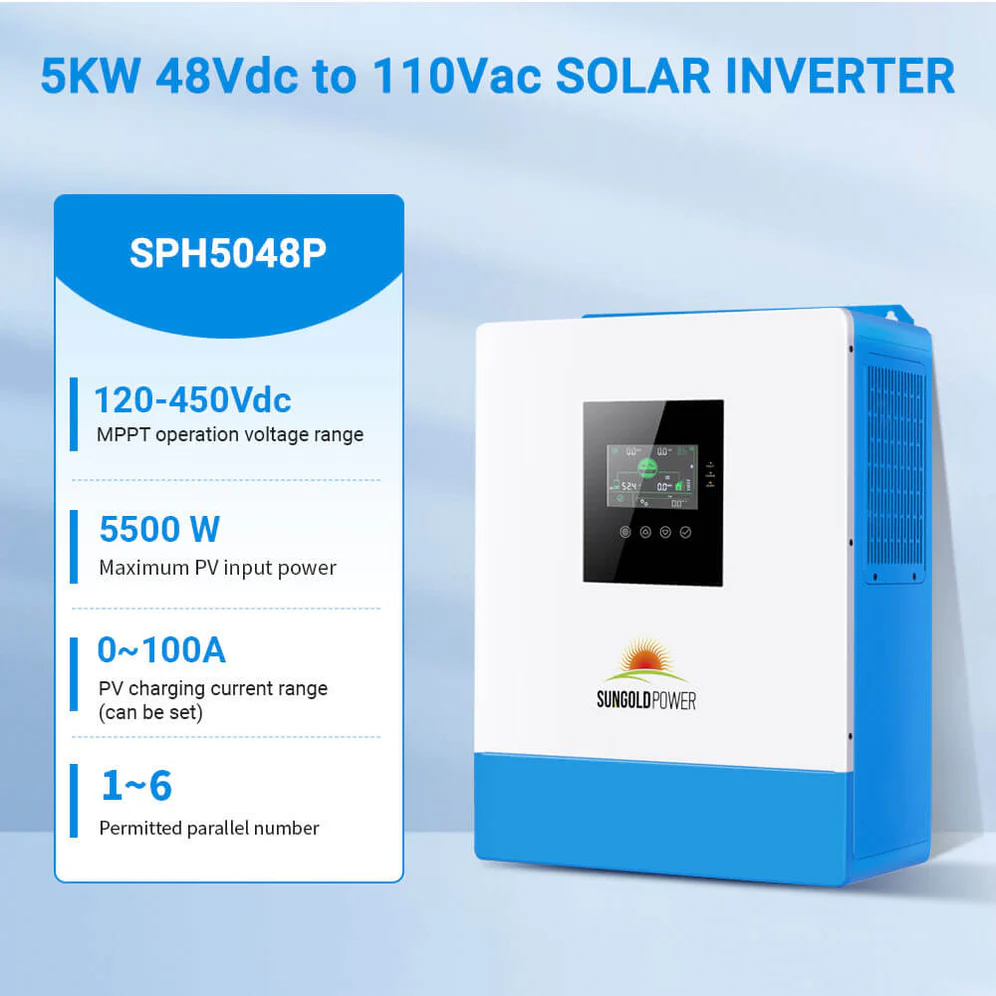
| Continuous Output Power | 5,000W |
| DC Input Voltage | 48V DC |
| AC Output | 120V AC, Pure Sine Wave |
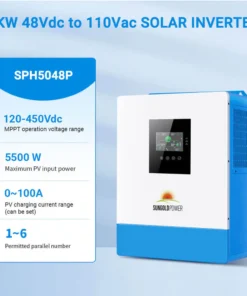
| Max MPPT Charging Current | 100A |
| Max Charge Current (settable) | 100A |
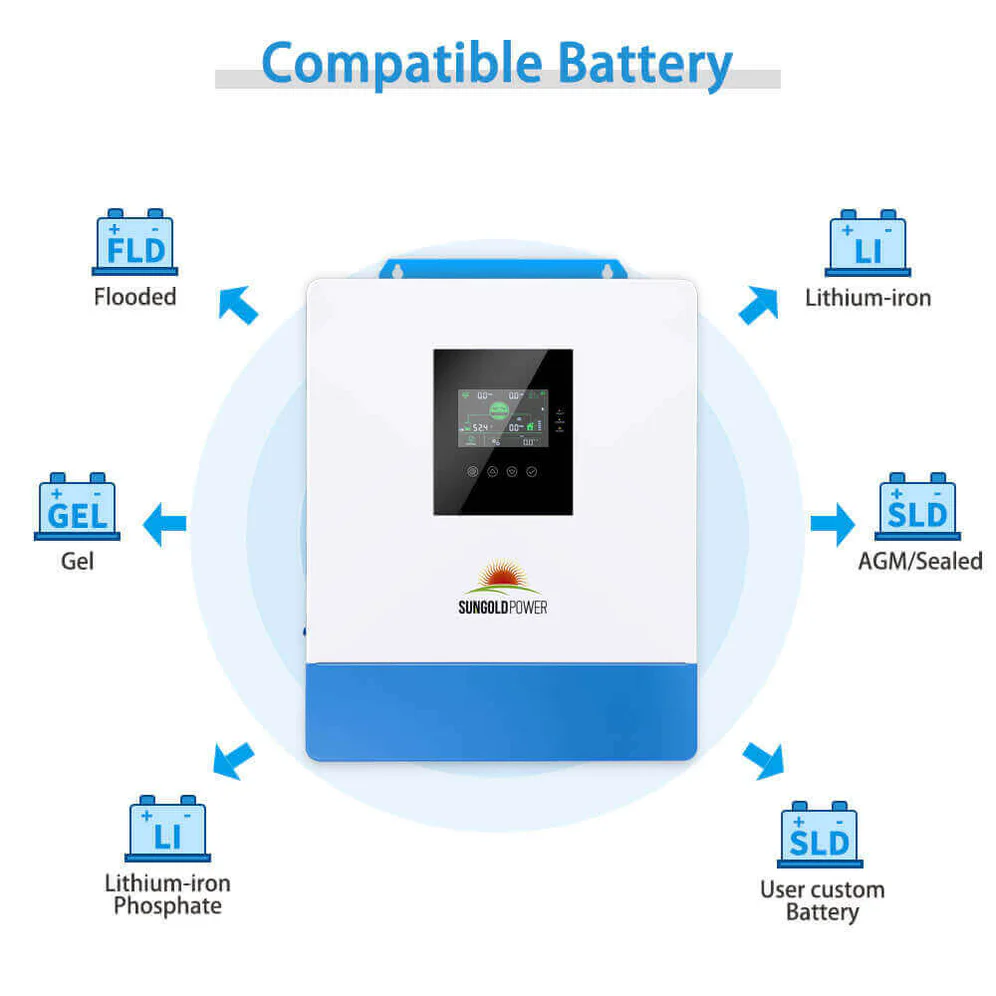
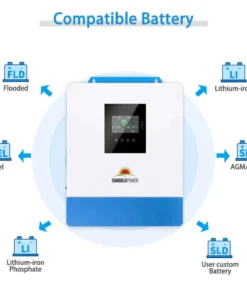
| Battery Type | Lead-Acid or Lithium |
| Max PV Open Circuit Voltage | 500V DC |
| PV Charging Voltage Range | 120–500V DC |
| Operating Temperature | -10°C to 55°C (14°F to 131°F) |
| Cooling | Forced air, variable speed fan |
| Certifications | CE, EMC |
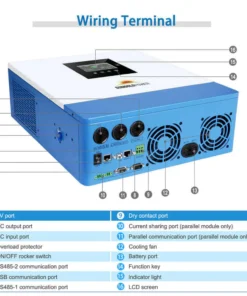
| Communication | Included (refer to model documentation) |
⚠️ Note: Several specification fields were corrupted in the source data. Confirm full specification sheet with supplier before publishing. Fields confirmed above are extracted from readable source portions only.
All-In-One Architecture — What It Means in Practice
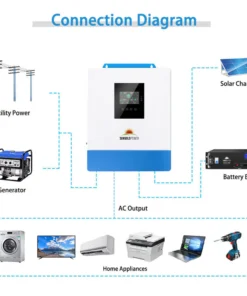
The all in one solar inverter classification describes a unit that handles three distinct energy management functions that are traditionally implemented as three separate devices with separate wiring, separate configuration and separate monitoring interfaces.
Standard multi-component approach:
- Solar panels connect to a standalone MPPT charge controller.
- The charge controller connects to the battery bank via separate DC wiring.
- A separate inverter connects to the battery bank via separate DC wiring.
- A separate AC charger connects to grid or generator input and to the battery bank.
- Three separate devices, three separate configuration interfaces, three separate points of failure.
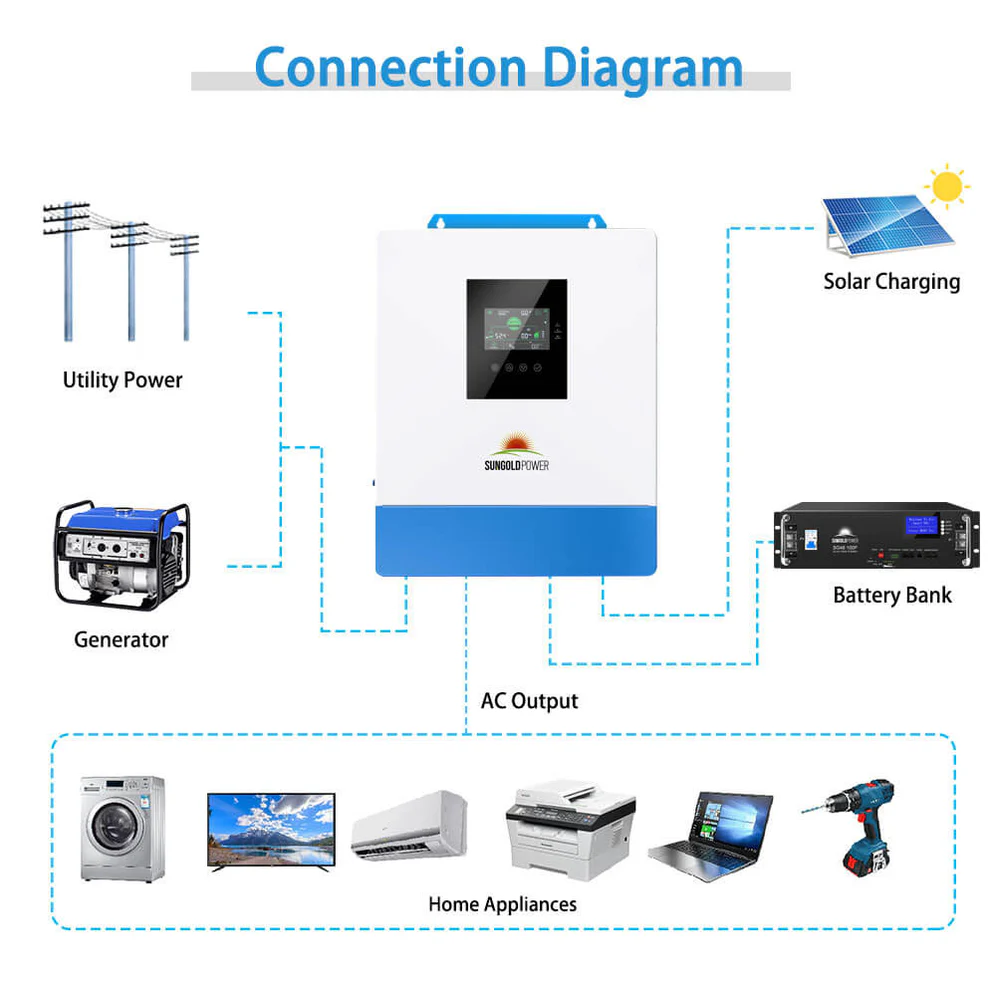
All-in-one approach:
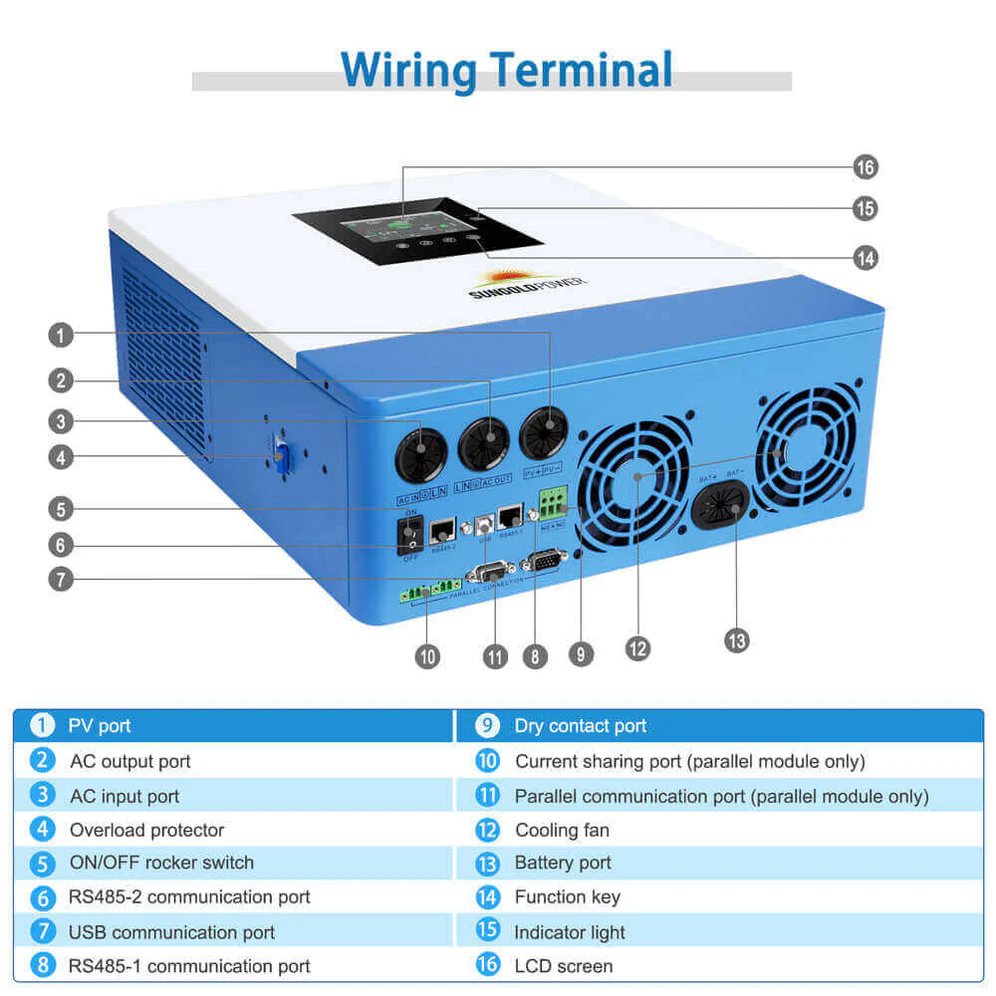
- Solar panels connect directly to the unit’s MPPT input.
- The battery bank connects to a single DC connection point.
- AC input (grid or generator) connects to a single AC input terminal.
- AC loads connect to a single AC output terminal.
- One device, one configuration interface, unified monitoring.
The practical benefits are reduced installation complexity, fewer potential failure points, simpler cable routing and a single device to diagnose if a problem occurs. For off-grid cabin and residential installations where component accessibility is limited, fewer devices in the system directly reduces long-term maintenance burden.
MPPT Solar Charging
The integrated MPPT (Maximum Power Point Tracking) controller accepts PV arrays up to 500V DC open-circuit voltage — accommodating modern high-voltage solar panels and series string configurations appropriate for residential rooftop and ground-mount arrays.
At 100A maximum MPPT charging current into a 48V battery bank, the solar charge pathway delivers up to 4,800W of DC charging power — enough to maintain a large LiFePO4 battery bank at full charge during daylight hours and provide significant daily energy storage across the battery bank for overnight load supply.
MPPT tracking continuously adjusts the electrical operating point of the array to extract maximum available power — particularly valuable in partial shading conditions and low-irradiance morning and evening periods where less sophisticated PWM charge controllers lose significant available energy.
AC Battery Charging
The integrated AC charger recharges the 48V battery bank when grid or generator AC input is connected. The maximum settable charge current of 100A provides high-rate charging for rapid battery recovery during generator runs — reducing generator runtime and fuel consumption compared to lower-rate AC chargers.
Charge voltage range covers the full state-of-charge spectrum for both lead-acid and lithium 48V battery banks. Short-circuit protection uses circuit breakers and blown fuses for fault current management — appropriate protection levels for a 48V system at 100A maximum charge rate.
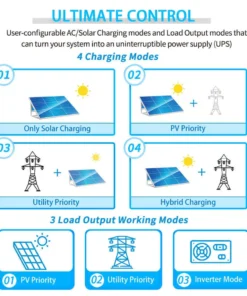
The solar power inverter home combined MPPT and AC charging capability means the battery bank is never left without a charging source: solar charges during daylight hours, AC charges during generator operation or grid availability, and both sources operate simultaneously during peak recovery periods.
5kW Pure Sine Wave Output
At 5,000W continuous output, this unit powers the standard load profile of a mid-sized residential property or well-equipped cabin:
- Refrigerator and freezer: 150–400W combined running draw.
- Window air conditioning: 800–1,500W depending on unit size.
- Water pump: 500–1,500W depending on pump size and head.
- Lighting and electronics: 200–500W for a fully lit home with entertainment.
- Charging and small appliances: 200–400W for standard household device charging.
Pure sine wave output ensures compatibility with every standard household appliance and electronic device — variable speed motors, inverter compressors, CPAP machines, audio equipment and sensitive electronics all operate correctly from pure sine wave output in ways that modified sine wave inverters cannot reliably support.
Solar Power Inverter Home Integration
As a solar power inverter home system core, the 5kW 48V all-in-one unit manages:
- PV input: Up to 500V DC open-circuit from the connected solar array.
- Battery management: Charging from both solar and AC, discharging for AC output.
- AC output: 5,000W of 120V pure sine wave for home loads.
- AC input: Grid or generator connection for battery charging and load bypass.
The inverter with battery system design pairs this unit with a 48V LiFePO4 battery bank sized to cover overnight loads and cloudy-day reserves. Battery capacity selection depends on daily consumption and desired autonomy — typically 20–40kWh for full residential overnight coverage.
Explore compatible battery systems and solar panel options in our Off-Grid Solar Inverters, Solar Kits and Off-Grid Power Systems categories.
FAQ
What is an all in one solar inverter and why does it simplify installation? An all in one solar inverter combines MPPT solar charging, AC battery charging and DC-to-AC inversion in a single unit — replacing three separate devices that would otherwise require individual installation, separate wiring runs and separate configuration. The single connection-point architecture reduces installation complexity, shortens commissioning time and creates fewer potential failure points in the completed system.
What home inverter loads can a 5kW 48V unit support? A 5kW home inverter covers mid-sized residential loads simultaneously — refrigerator, air conditioning (window or mini-split), water pump, full home lighting, entertainment systems and standard device charging within the 5,000W continuous rating. Peak loads above 5kW — electric ranges, clothes dryers and large HVAC compressors — require load management or a higher-rated inverter.
Is this off grid solar products unit compatible with LiFePO4 batteries? Yes — lithium battery compatibility is specified for this unit. LiFePO4 (Lithium Iron Phosphate) is the preferred 48V battery chemistry for residential off-grid applications, providing superior cycle life, flat discharge curve and safe, stable operation. Confirm the correct battery type selection in the unit’s configuration to apply the appropriate LiFePO4 charging voltage profile.
What is the inverter with battery system design recommendation? For a 5kW continuous output inverter with battery, size the battery bank to cover overnight loads plus a cloudy-day reserve. A 20kWh LiFePO4 bank covers approximately 10–14 hours of moderate residential load without solar input. A 40kWh bank provides full overnight coverage plus a 24-hour reserve — appropriate for locations with frequent multi-day overcast periods.
⚠️ Are the full specifications confirmed for this unit? Several specification fields were corrupted in the source data submitted. The specifications table above reflects only the data that could be reliably extracted. Confirm the complete specification sheet with the supplier before publishing this listing. Dimensions, surge rating and additional electrical specifications should be verified and added before the product page goes live.
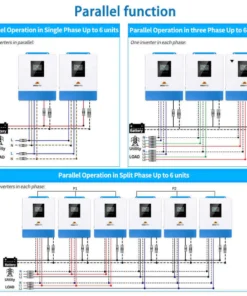
| Inverter Option | SPH5048P [Parallel, 100A MPPT], SPH504880A [80A MPPT] |
|---|---|
| Battery Option | Only Inverter, SG48100P [5.12kwh, UL1973 UL9540A] |
7 reviews for 5000W 48V Solar Charger Inverter
Add a review
Related products
best solar inverter
best solar inverter
11.4kW 48V Split Phase Hybrid Solar Inverter SGN-11K15PRO — Whole Home Backup 200A
best solar inverter
best solar inverter
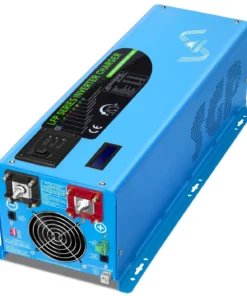
4000W DC 24V Split Phase Pure Sine Wave Inverter With Charger 120/240VAC
best solar inverter
best solar inverter
best solar inverter
James T., Arizona –
This 5000W 48V Sungoldpower inverter is a beast! I paired it with 48V lithium batteries and 5kW of solar panels. It handles my entire off-grid cabin load perfectly — fridge, well pump, lights, and even my mini-split AC. Setup was straightforward and the MPPT charges fast. Highly recommended!
Robert K –
Excellent value for the price. The 5000W output is reliable and the built-in MPPT controller works great with my solar array. Runs my workshop tools without issues. Idle consumption is a bit higher than premium brands, but for the cost it’s worth it. Solid performer.
Micheal S., Texas –
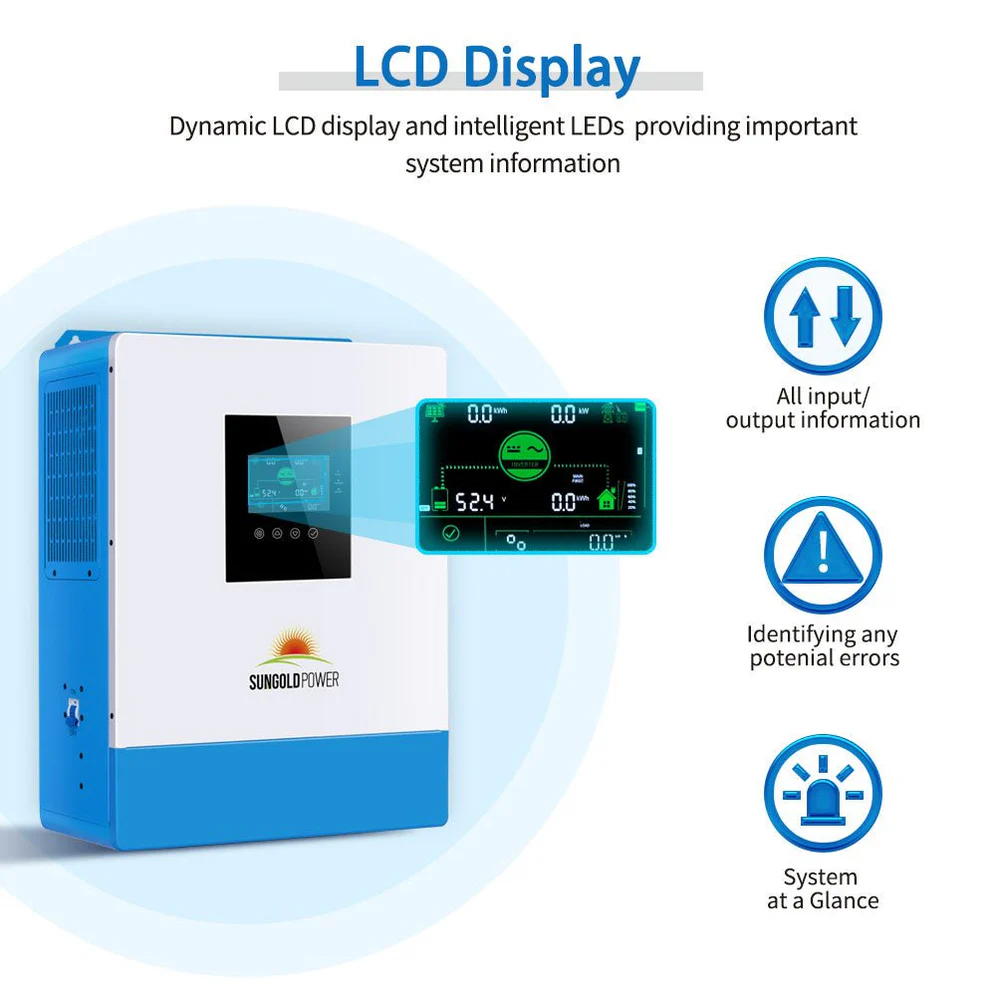
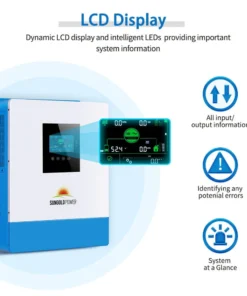
Installed this as a whole-home backup system. During a 3-day power outage it kept everything running smoothly. The 5000W 48V inverter handled the surge from my refrigerator and sump pump with no problem. Easy to program and the display is clear. Great unit!
David L –
Very happy with the performance so far. The solar charging is fast and it integrates well with my LiFePO4 batteries. Runs my 3000W air compressor without tripping. Only complaint is the fan can be a bit loud under heavy load, but that’s minor.
Anna P –
Bought this Sungoldpower 5000W inverter for my cabin build and it exceeded expectations. Pure sine wave is clean, supports my sensitive electronics perfectly. The all-in-one design saved me money on separate components. Customer support was responsive when I had a setup question.
Chris M –
Powerful and versatile. I use it in my RV with solar and it handles the inverter, charger, and MPPT duties flawlessly. 5000W is more than enough for my needs. Runs my induction cooktop and microwave simultaneously. Good bang for the buck.
Thomas M –
Impressive unit. The pure sine wave is clean and the 5000W rating is accurate. I love having solar priority settings. Only minor issue is the weight, but that’s expected for this power level. Great value compared to big-name competitors.