
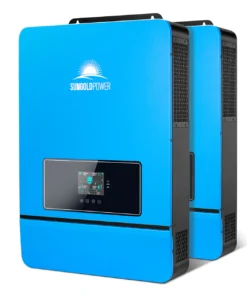
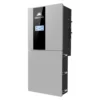
Solar Power Inverter Home — 20KW 48V Split Phase Authentic Dual MPPT, SPH10048P
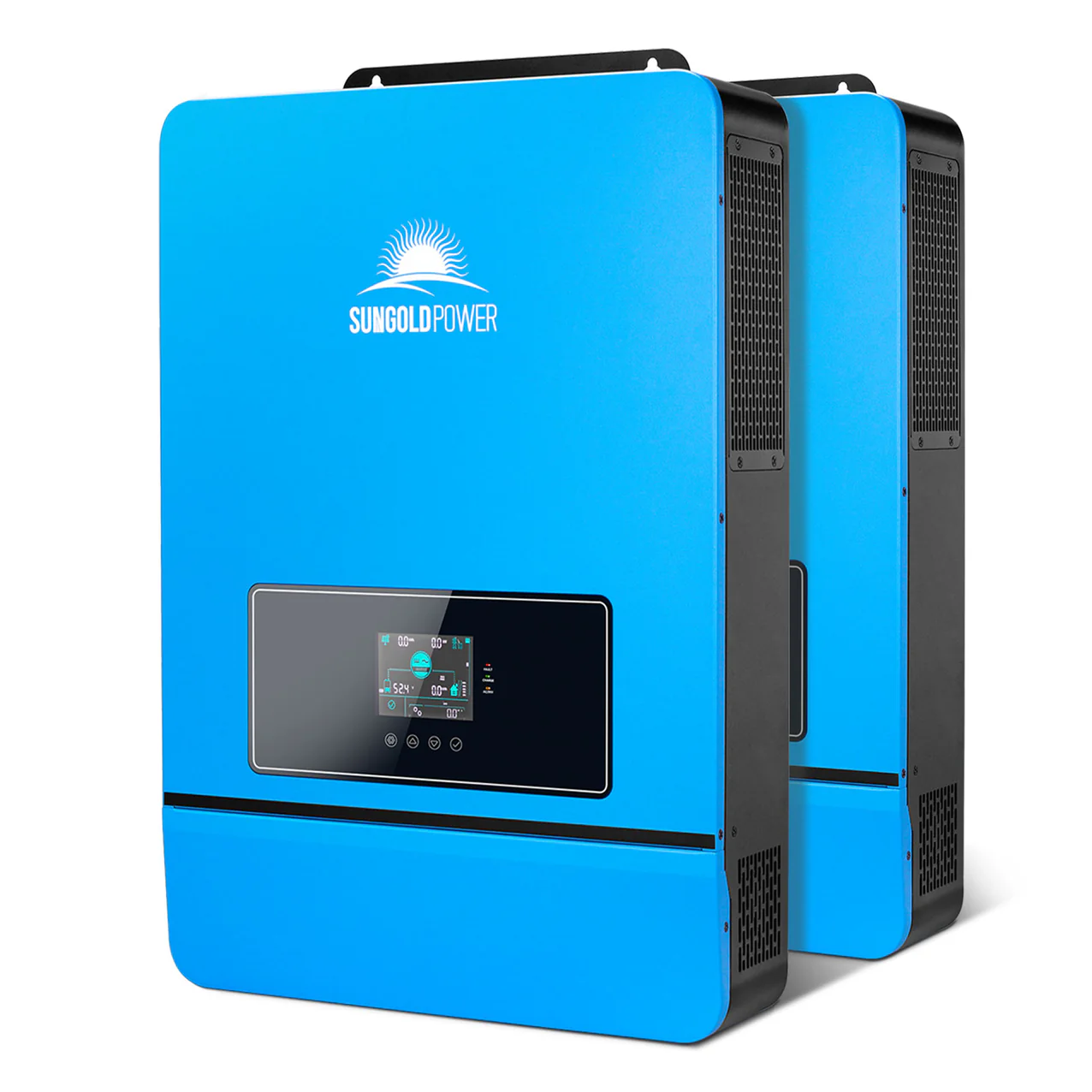
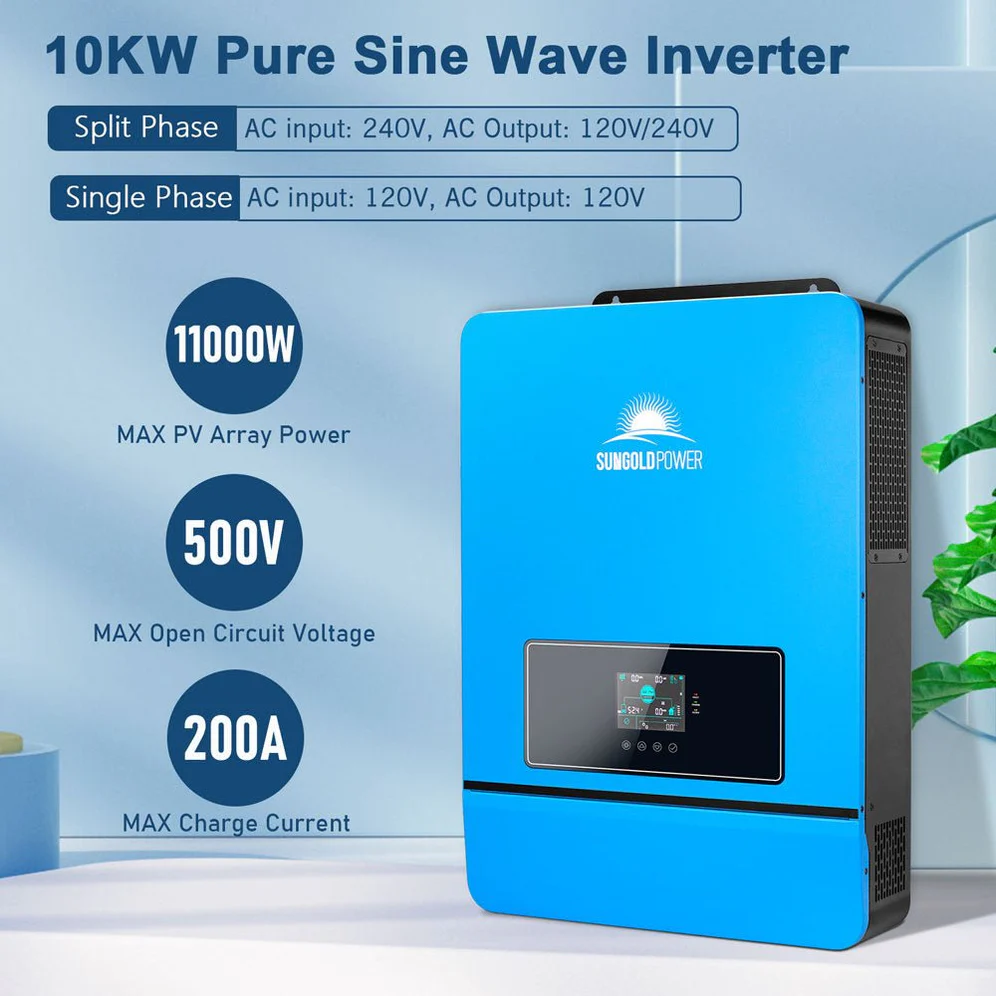
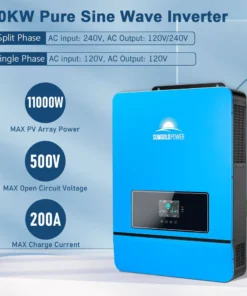
The SPH10048P is a 10,000W per unit, 48V split-phase solar inverter — two units in parallel deliver 20,000W of combined 120/240VAC output — the highest-output configuration in the SPH split-phase residential inverter range and the definitive solar power inverter home solution for large properties, high-consumption households, and small commercial installations that have outgrown the 16kW parallel configuration. Dual MPPT trackers accept up to 11,000W of PV input per unit, with 500VDC maximum open-circuit voltage, 180A maximum hybrid charging current, and certification to UL1741, IEC62109-1, IEC62109-2, and FCC 15 Class B standards.
Table of Contents
- Product Specifications
- 20KW Split-Phase Output Architecture
- Dual MPPT Performance
- Home Inverter Battery Integration
- Parallel Expansion to 60KW
- Certifications and Compliance
- Frequently Asked Questions
Product Specifications
| Specification | SPH10048P (per unit) | SPH10048P (2 units parallel) |
|---|---|---|
| Rated Output Power | 10,000W | 20,000W |
| Max Peak Power | 20,000W | 40,000W |
| Output Voltage | 120/240VAC split-phase/single-phase | 120/240VAC |
| Motor Load Capacity | 6HP | 6HP per unit |
| Output Frequency | 50/60Hz | 50/60Hz |
| Output Waveform | Pure Sine Wave | Pure Sine Wave |
| Switching Time | 10ms | 10ms |
| Max Parallel Units | 6 | — |
| Battery Type | Li-ion, Lead-Acid, User-Defined | — |
| Rated Battery Voltage | 48VDC | — |
| Battery Voltage Range | 40–60VDC | — |
| Max MPPT Charging Current | 200A | — |
| Max Grid/Gen Charging Current (Single Phase) | 100A | — |
| Max Grid/Gen Charging Current (Split Phase) | 120A | — |
| Max Hybrid Charging Current | 180A | — |
| MPPT Channels | 2 | — |
| Max PV Array Power | 11,000W | 22,000W |
| Max Input Current per MPPT | 22A + 22A | — |
| Max PV Open-Circuit Voltage | 500VDC | — |
| MPPT Operating Voltage Range | 125–425VDC | — |
| Grid Input — Single Phase | 90–140VAC | — |
| Grid Input — Split Phase | 180–260VAC | — |
| Grid/Gen Frequency | 50/60Hz | — |
| Bypass Overload Current | 63A | — |
| MPPT Tracking Efficiency | 99.9% | — |
| Max Battery Inverter Efficiency | 92% | — |
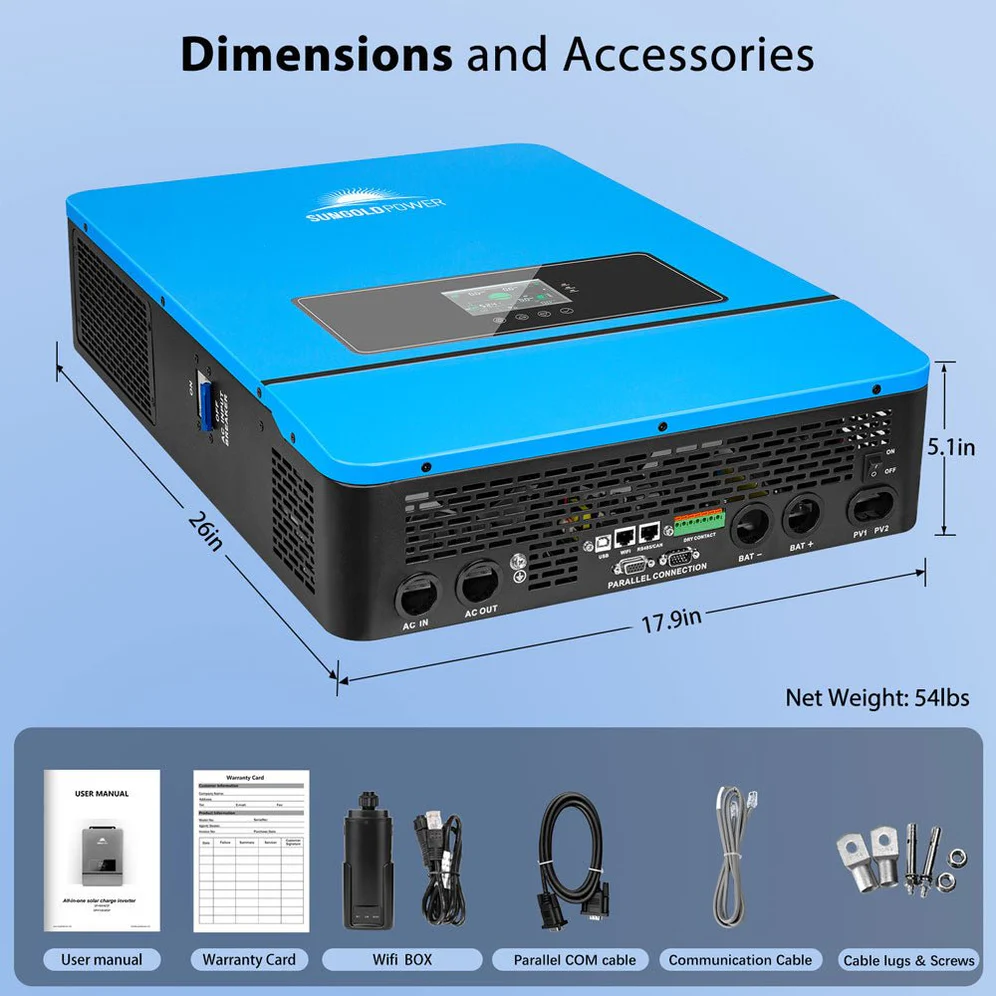
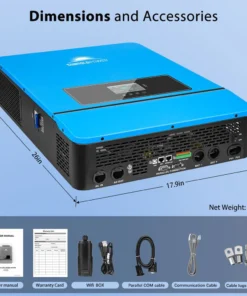
| Dimensions | 17.7 × 25.6 × 5.1 inches | — |
| Weight | 53.5 lbs per unit | — |
| Protection Degree | IP20 — indoor use only | — |
| Operating Temperature | 14–131°F; derated above 113°F | — |
| No-Load Consumption | 95W / 100W | — |
| Warranty | 2 years | — |
| Noise | <60dB | — |
| Cooling Method | Internal fan | — |
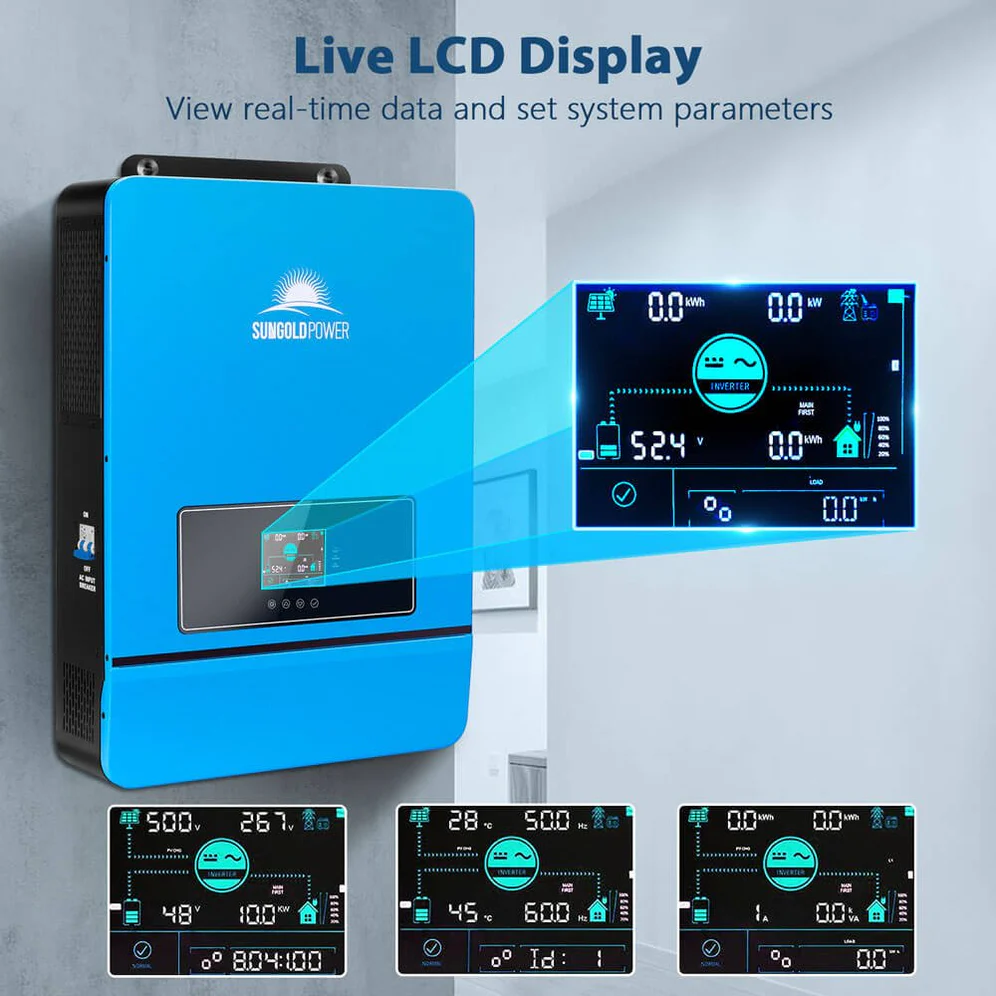
| Communication | RS485, CAN, USB, Dry Contact | — |
| External Modules | WiFi, GPRS (optional) | — |
| Safety Certifications | IEC62109-1, IEC62109-2, UL1741 | — |
| EMC | EN61000-6-1, EN61000-6-3, FCC 15 Class B | — |
| RoHS | Yes | — |
20KW Split-Phase Output Architecture
The SPH10048P steps up from the 8,000W SPH8048P to 10,000W per unit — two units in parallel delivering 20,000W of combined output at 120/240VAC split-phase. This output level addresses the residential and small commercial load scenarios that the 16kW configuration cannot fully cover: properties with multiple central HVAC systems, EV charging stations, electric cooking ranges and ovens operating simultaneously, and commercial operations with sustained high-draw equipment loads running continuously throughout the working day.
The split-phase architecture produces two 120V legs with 240V between them — the standard North American residential panel configuration — enabling the solar power inverter home system to power every load in the building from a single inverter platform. Single-phase 120V output is equally supported for installations that do not require split-phase 240V distribution.
A critical specification advantage over the SPH8048P is the expanded grid input voltage range in split-phase mode: 180–260VAC for split-phase input compared to the 90–140VAC range in single-phase mode. This wider range improves grid tolerance during voltage fluctuation events common in areas with aging grid infrastructure.
Dual MPPT Performance
Each SPH10048P unit operates two independent MPPT trackers — each rated at 22A of input current with an operating voltage range of 125–425VDC and a maximum open-circuit voltage of 500VDC. The dual-tracker architecture manages two separate PV string configurations from a single inverter unit, maintaining 99.9% tracking efficiency on each channel independently.
Two units in parallel accept a combined 22,000W of PV input across four independent MPPT channels — a configuration that accommodates four distinct string orientations or tilt angles simultaneously. For large residential installations with complex roof geometries or multiple ground-mount arrays at different orientations, this multi-channel architecture eliminates string-level performance degradation caused by mismatched irradiance conditions across the combined array.
Home Inverter Battery Integration
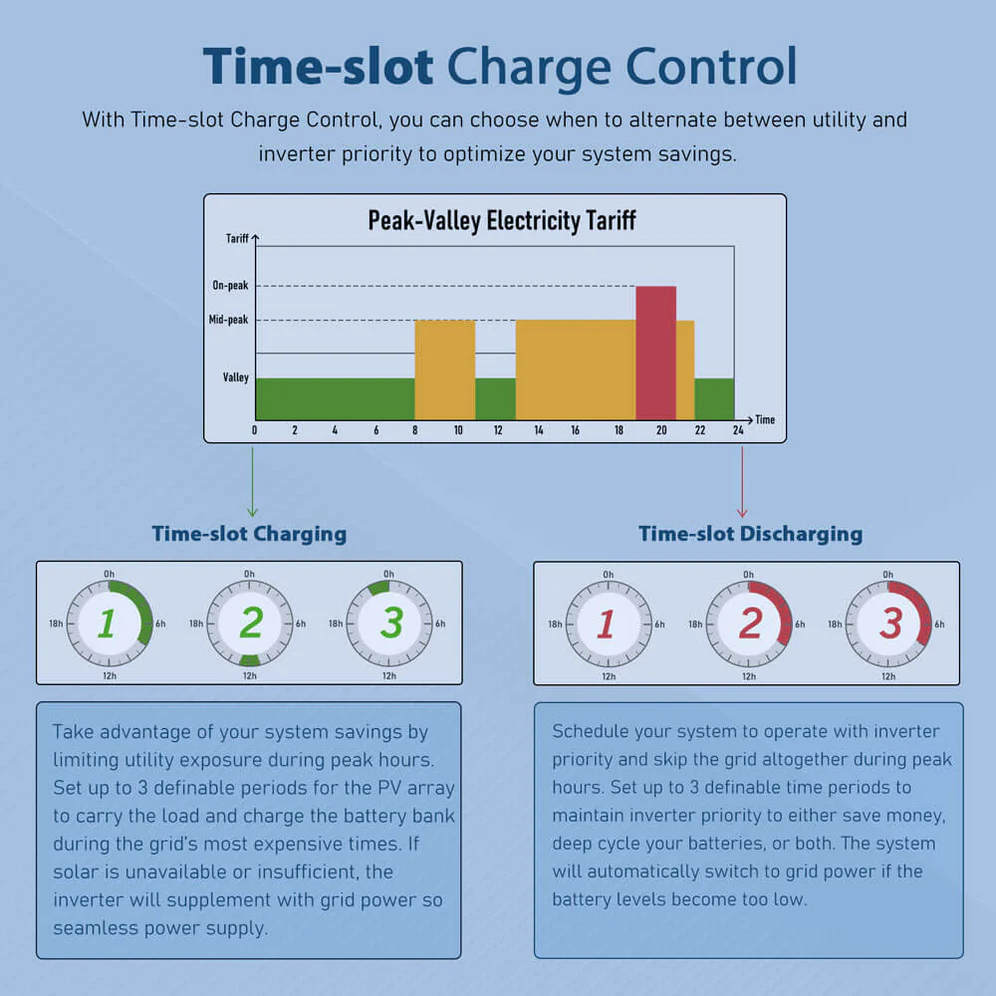
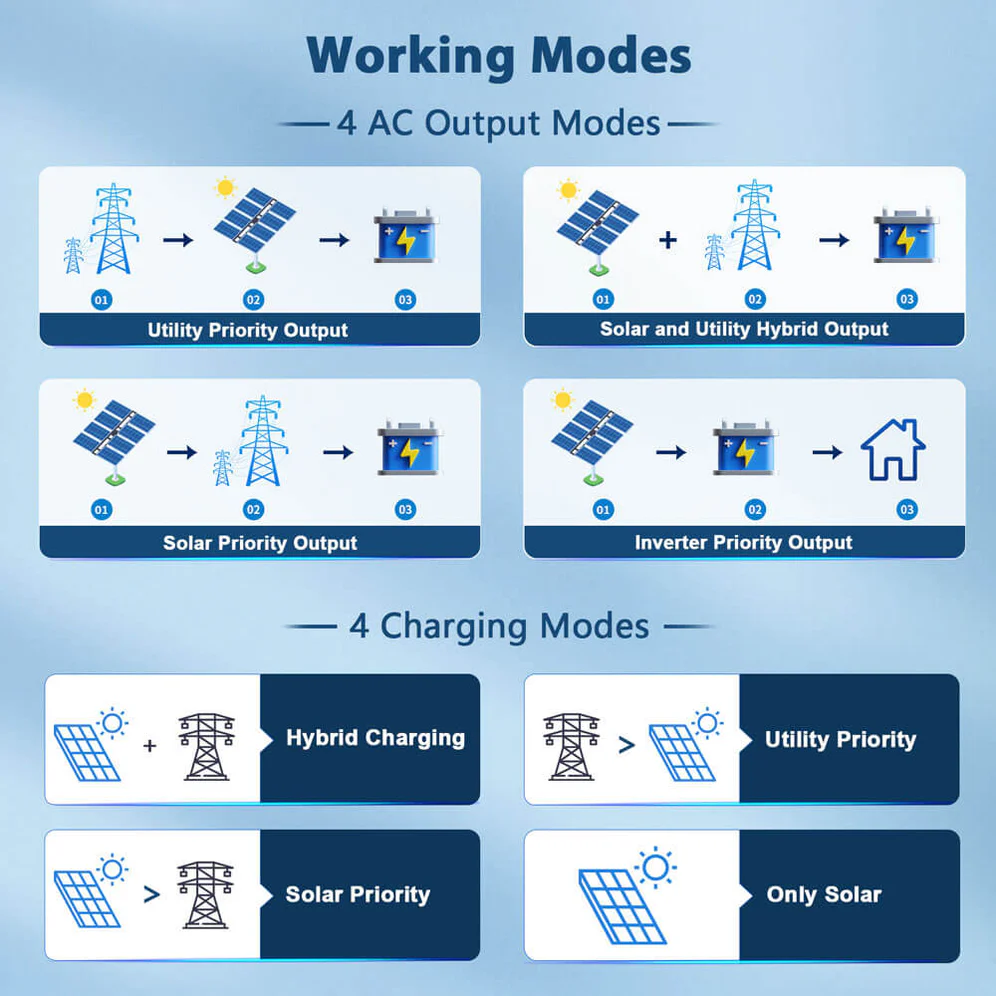
The home inverter battery charging architecture of the SPH10048P defines three current limits for different charging source combinations:
- MPPT Solar Charging: Maximum 200A from the PV array — always the first priority source, drawn before any AC input.
- Grid/Generator Charging: Maximum 100A in single-phase mode, 120A in split-phase mode — supplementing solar when PV generation is insufficient.
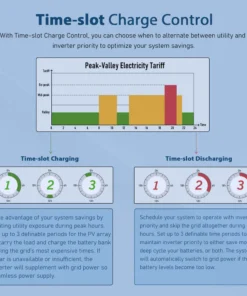
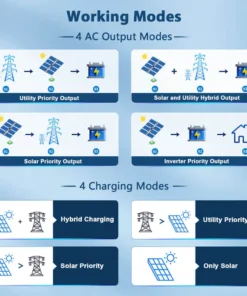
- Hybrid Charging: Combined maximum of 180A — the simultaneous solar and AC charging mode used during periods when both sources are available and battery charge demand is high.
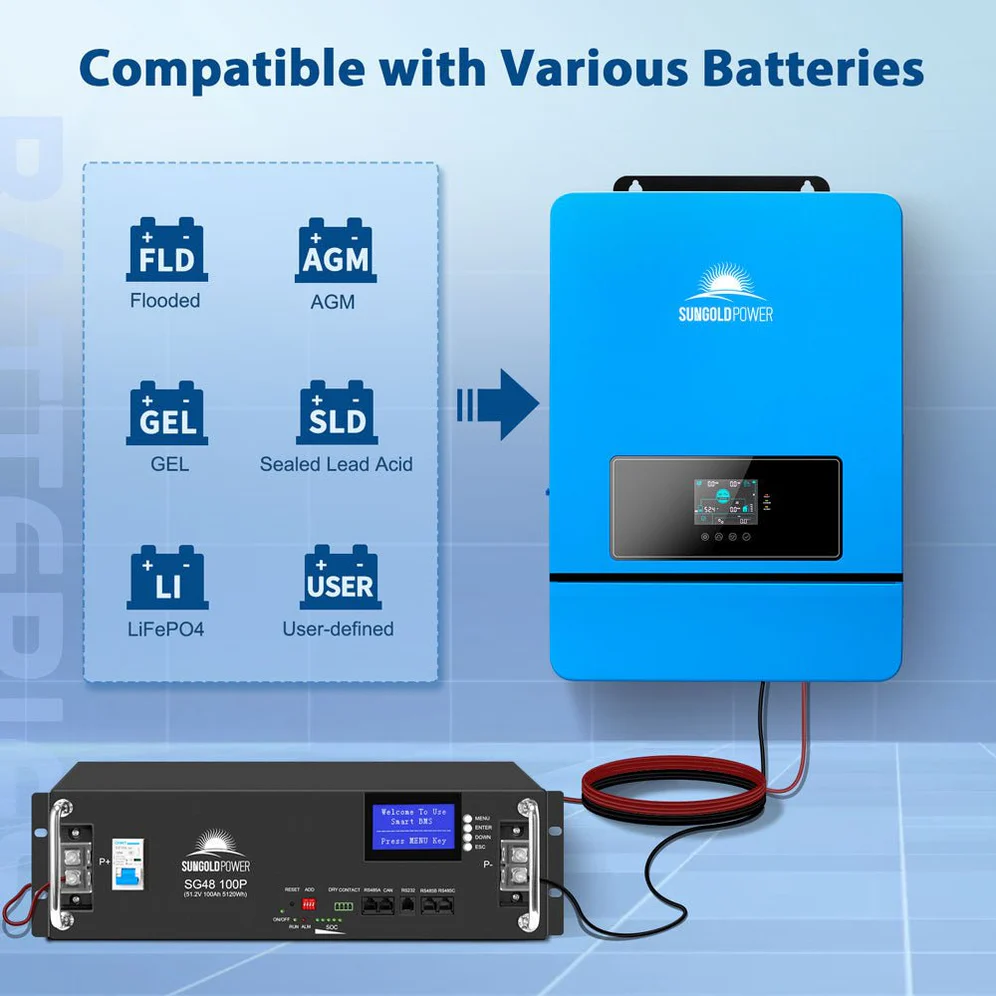
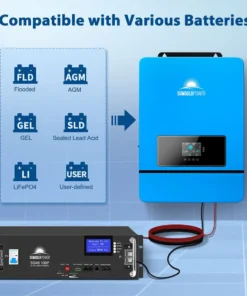
The off grid solar products battery integration supports lithium-ion with BMS communication, lead-acid in standard or equalization profiles, and user-defined parameters for custom battery chemistries — covering the full range of battery technologies deployed in serious residential off-grid systems.
Parallel Expansion to 60KW
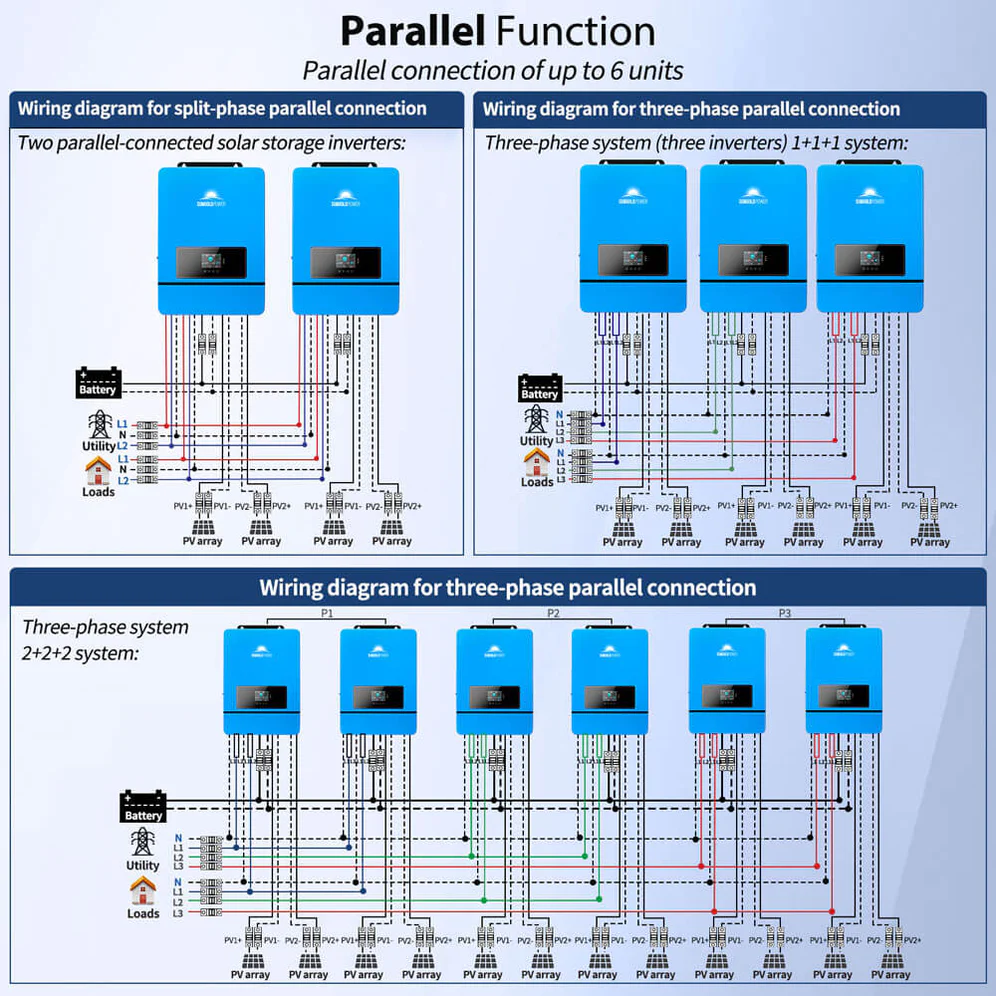
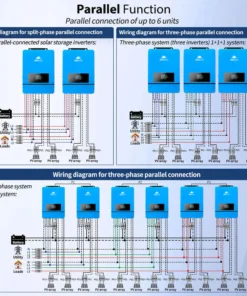
Up to six SPH10048P units can be connected in parallel, scaling total system output from 10kW per unit to 60,000W combined. This modular expansion pathway is one of the most practical long-term investment arguments for the SPH platform: as the property’s load grows — through EV fleet expansion, agricultural operations, or commercial tenant addition — the inverter infrastructure scales incrementally without replacement of existing units.
All parallel units share the communication bus through RS485 or CAN interfaces, and the system supports single-phase, split-phase, and three-phase parallel configurations depending on installation requirements.
Browse our full Solar Power Inverters, Home Inverter Systems, and Split-Phase Off-Grid Inverters collections for additional specifications and compatible battery and solar components.
Frequently Asked Questions
Q: What is the combined output of two SPH10048P units? Two SPH10048P units in parallel deliver 20,000W of continuous combined output at 120/240VAC split-phase, with peak power reaching 40,000W. Up to six units can be paralleled for a maximum combined output of 60,000W.
Q: What distinguishes the SPH10048P from the SPH8048P? The SPH10048P delivers 10,000W per unit versus 8,000W for the SPH8048P — a 25% increase in per-unit continuous output. The two-unit parallel combination delivers 20,000W versus 16,000W. The SPH10048P also supports a wider split-phase grid input voltage range of 180–260VAC, improving grid tolerance in areas with variable supply voltage. All other key specifications are shared between the two models.
Q: What is the solar power inverter home PV input capacity? Each SPH10048P unit accepts up to 11,000W of PV input across two MPPT channels. Two units in parallel accept a combined 22,000W across four independent MPPT channels, with a maximum open-circuit voltage of 500VDC and an operating range of 125–425VDC on each tracker.
Q: What certifications does the SPH10048P carry? The SPH10048P is certified to UL1741, IEC62109-1, IEC62109-2, EN61000-6-1, EN61000-6-3, and FCC 15 Class B — covering North American and European safety, EMC, and grid-interactive inverter requirements for residential and commercial solar installations.
Q: What is the maximum hybrid charging current? Maximum hybrid charging current — the combined total from both solar MPPT and AC charging sources simultaneously — is 180A. Solar charging alone reaches 200A maximum. Grid or generator charging in single-phase mode reaches 100A, and in split-phase mode reaches 120A.
Be the first to review “0KW 48V Split Phase Solar Inverter SPH10048P”
Related products
best solar inverter
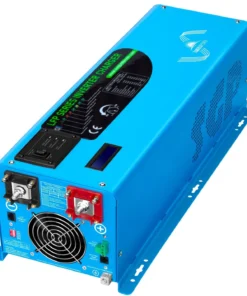
best solar inverter
4000W DC 24V Pure Sine Wave Inverter With Charger 120VAC 50/60Hz
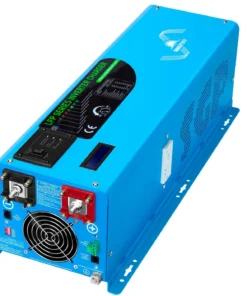
best solar inverter
4000W DC 12V Pure Sine Wave Power Inverter With Charger 120VAC
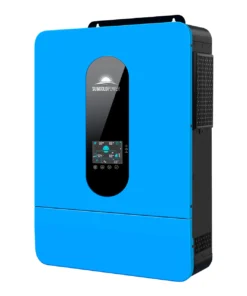
best solar inverter
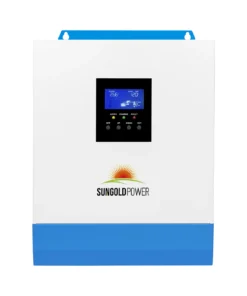
best solar inverter
best solar inverter
best solar inverter
Reviews
There are no reviews yet.