
Hybrid Solar System 7.6kW 48V — Authentic [Off-Grid + Grid-Tied]
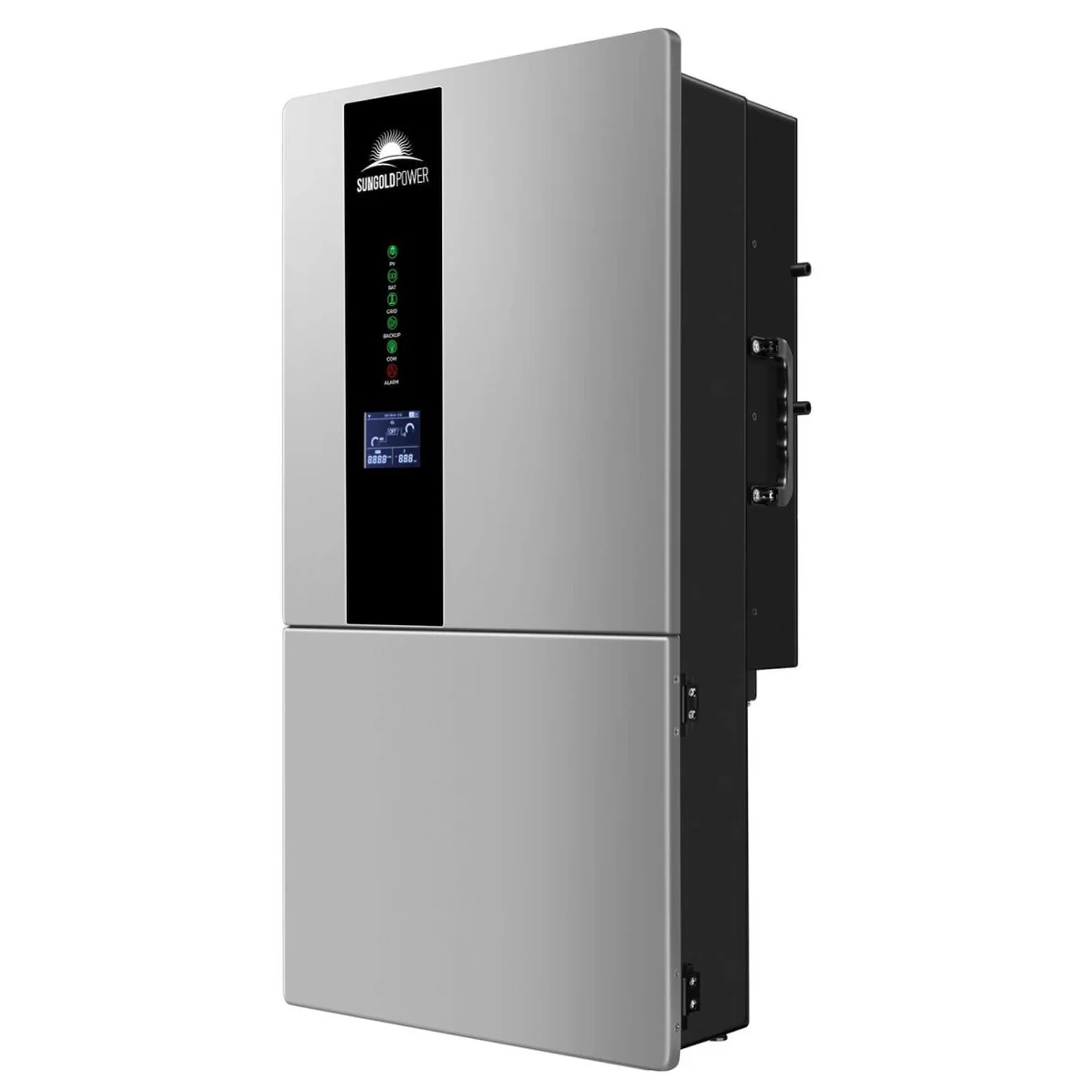
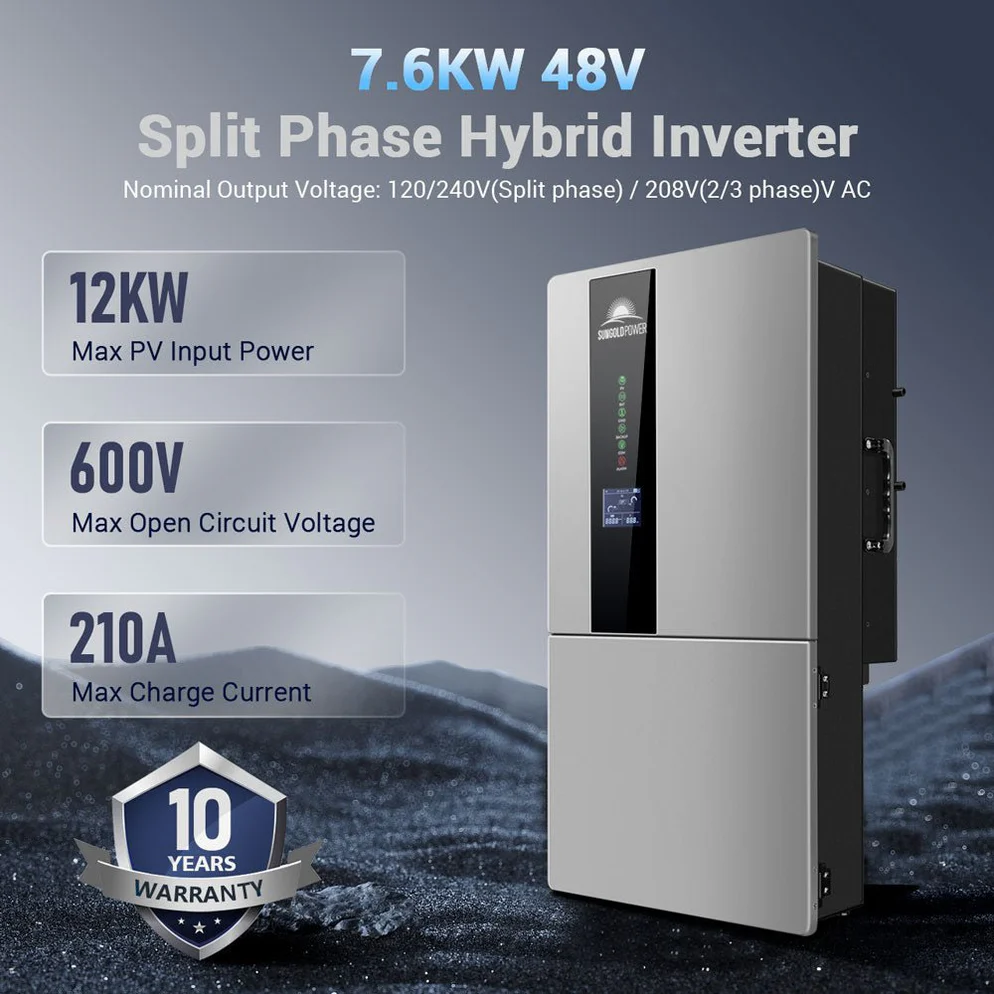
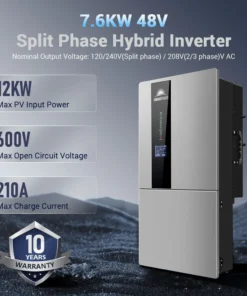
The hybrid solar system inverter for mid-sized residences where the power demand sits above what a 5kW unit can reliably cover and below what a 11.4kW unit is required for — the SGN7.6K1HB-48 delivers 7,600W of continuous split-phase 120/240V output from a 48V battery bank, accepts 12,000W of PV input, and operates in off-grid, hybrid and grid-tied modes with the same platform architecture as its 11.4kW SGN-series siblings. The same product family that carries UL 1741, UL 1741SA/SB and IEEE 1547-2018 certifications at 11.4kW applies those same engineering standards to the 7.6kW configuration — giving mid-market buyers the compliance stack that utilities require and grid-tied solar mandates demand, at a continuous output rating appropriate for homes with daily consumption between 15 and 25kWh.
Table of Contents
- 7.6kW — The Mid-Range That Outperforms
- 12kW PV Input — More Generation Than You Need at 7.6kW
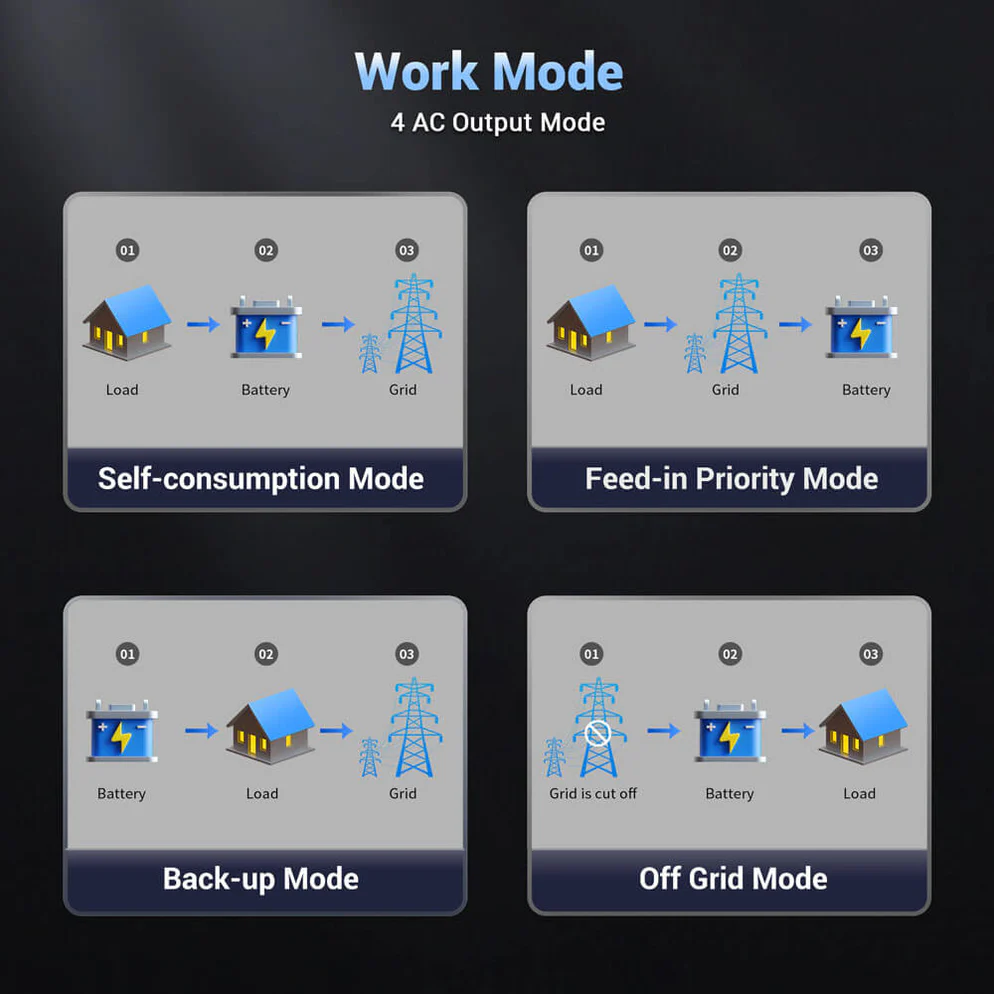
- Three Operating Modes — Identical to Larger SGN Units
- Hybrid Solar Inverters — Platform Architecture
- Battery Interface and 48V System Design
- Appropriate Applications
- FAQ
7.6kW — The Mid-Range That Outperforms
The 7.6kW output rating is not a reduced specification — it is a deliberately sized output appropriate for the realistic peak simultaneous load of a mid-sized residential home with an energy-conscious consumption profile. The properties where a hybrid solar system at 7.6kW is the correct specification are more common than those requiring 11.4kW:
- Standard two-to-three bedroom homes: Peak simultaneous load of 4–6kW is typical for a well-insulated mid-sized home. The 7.6kW rating provides 1.6–3.6kW of continuous headroom above that peak — appropriate thermal margin for long service life.
- Single-zone HVAC systems: A 3-ton central air conditioning compressor draws approximately 3,500W in running state. Combined with refrigerator, lights, office equipment and a water pump, the simultaneous load is well within the 7,600W continuous rating.
- Properties with a managed load profile: Homes where high-draw appliances — clothes dryer, electric range, EV charging — are not operated simultaneously benefit most from right-sizing the inverter rather than over-specifying for theoretical peak loads that never occur simultaneously.
Oversizing an inverter increases both capital cost and idle power consumption — an 11.4kW unit at 40% load runs less efficiently and consumes more standby power than a correctly sized 7.6kW unit at 70% load.
12kW PV Input — More Generation Than You Need at 7.6kW
At 12,000W of PV input capacity against 7,600W of continuous output, the SGN7.6K1HB-48 is designed to operate with a generation surplus throughout most of the solar day. This is the correct design philosophy for a hybrid solar inverters platform where battery charging is the primary use of surplus generation.
During peak solar hours — typically 10am to 2pm — a correctly sized 12kW array on this inverter generates 4,400W of surplus above the rated output. That surplus goes to battery charging at the maximum rate the battery interface allows, building the stored energy reserve for evening and overnight load supply. By the time the solar window closes at the end of the day, the battery bank is at or near full charge — the entire overnight load supplied from stored solar energy without any grid draw.
Three Operating Modes — Identical to Larger SGN Units
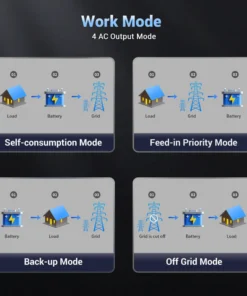
The SGN7.6K1HB-48 uses the same three-mode operating architecture as its 11.4kW SGN-series family members — off-grid, hybrid and grid-tied modes with automatic transitions between them based on grid availability, battery state and configured priorities.
- Off-grid: Standalone AC power from solar and battery without grid interaction.
- Hybrid: Solar powers loads first, battery absorbs surplus, grid supplements shortfalls.
- Grid-tied: Grid-synchronised solar export with battery storage for backup.
The mode transition logic, battery management algorithms and grid interaction protocols are identical across the SGN product family — the 7.6kW rating is the only specification difference from the solar hybrid inverter perspective. Installers familiar with the 11.4kW SGN units commission the 7.6kW with the same process and the same configuration tooling.
Hybrid Solar Inverters — Platform Architecture
The SGN7.6K1HB-48 belongs to the same platform family as the SGN11.4KHB-48 and SGN-11K15PRO — sharing the same core inverter architecture, communication protocols and certification pathway. This matters for multi-unit installations and future expansion:
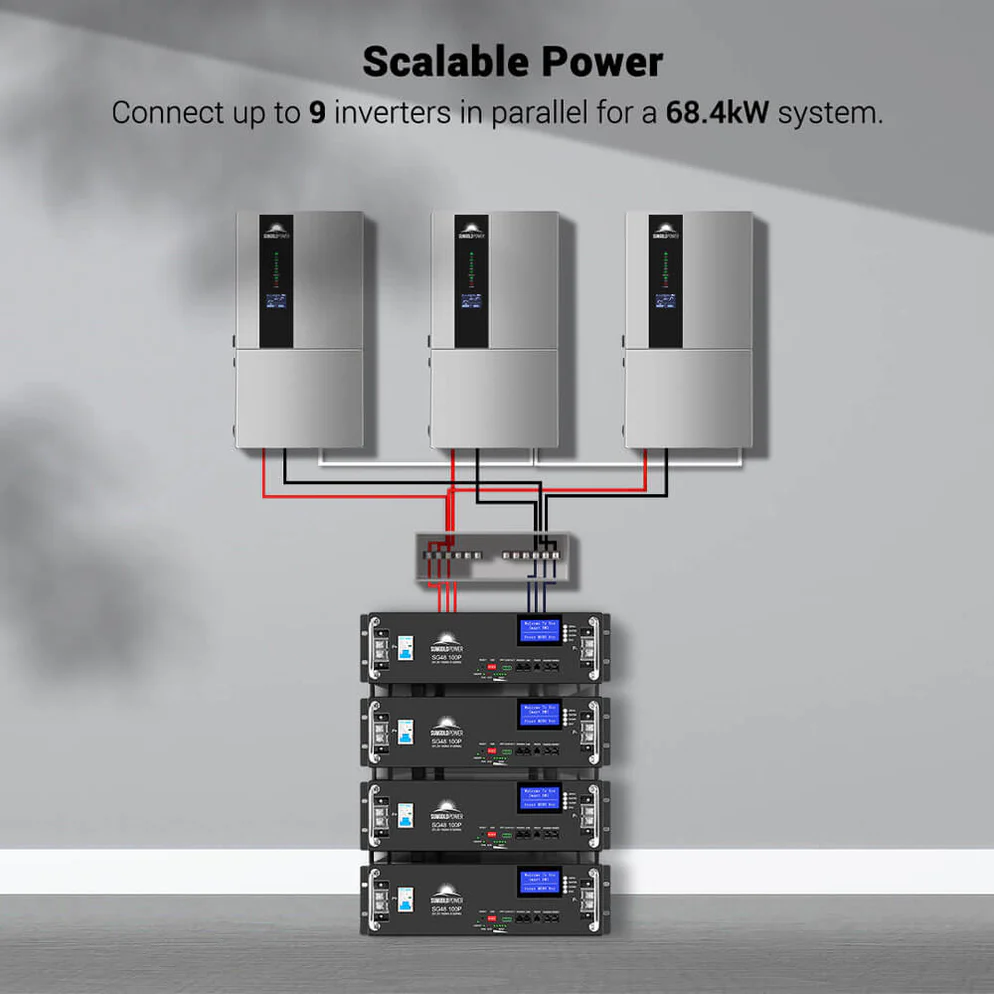
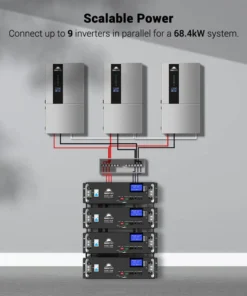
- Parallel operation: Multiple SGN-series units of the same model can be paralleled for combined output — increasing from 7.6kW to 15.2kW, 22.8kW or higher as load requirements grow.
- Familiar installation protocol: Installers who have commissioned SGN11.4KHB-48 units apply the same commissioning sequence to the SGN7.6K1HB-48 without additional training.
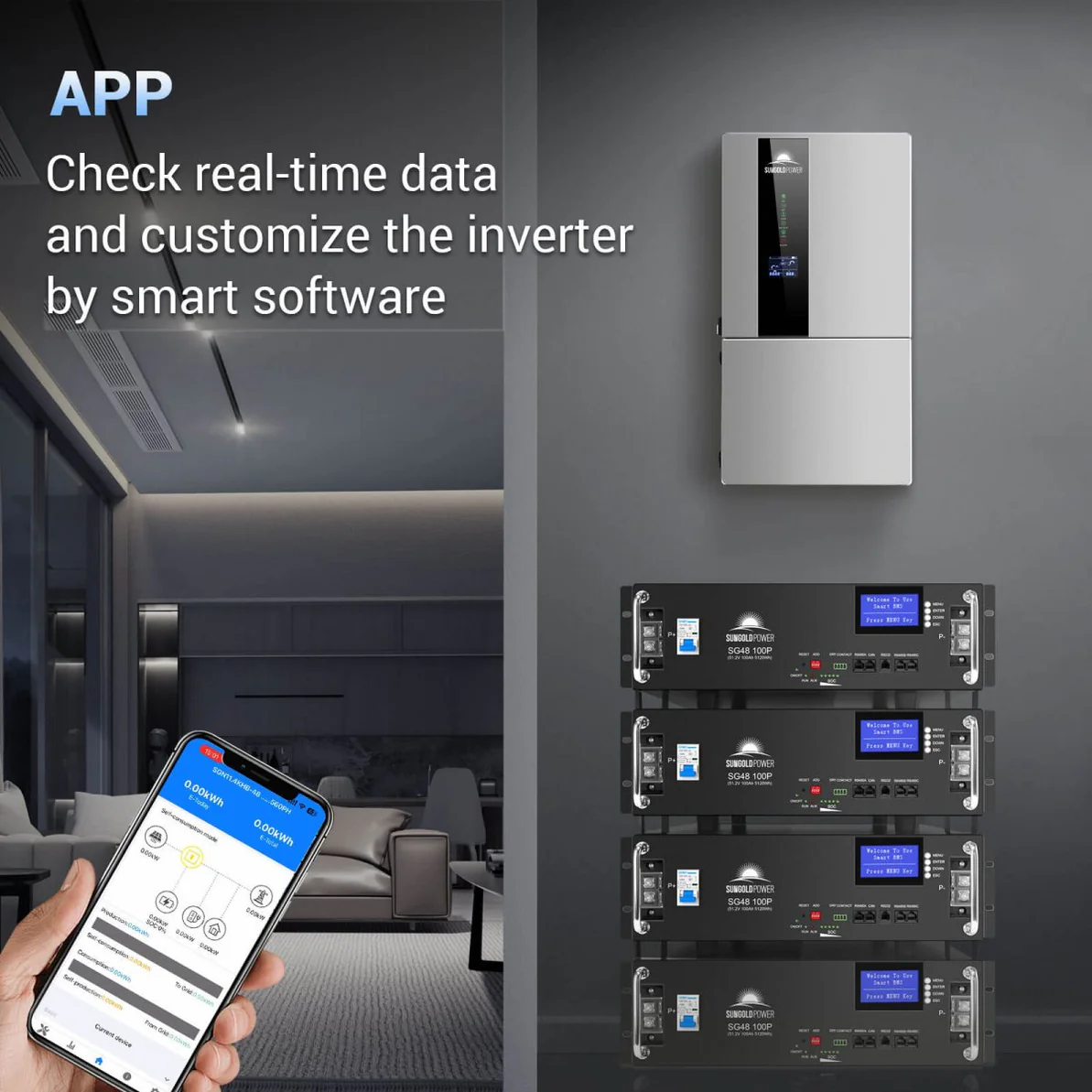
- Consistent communication interface: RS485, CAN and optional WiFi interfaces are consistent across the SGN family — monitoring platforms configured for one SGN unit apply to all others without reconfiguration.
Battery Interface and 48V System Design
The 48V DC battery interface is compatible with the full range of 48V residential battery systems — LiFePO4 server-rack packs, stackable wall units and 48V AGM banks. The hybrid solar power system design pairs the 7.6kW inverter with a battery bank sized to the property’s overnight consumption: a home consuming 10kWh overnight requires a minimum 12–15kWh LiFePO4 bank for comfortable overnight coverage with depth-of-discharge management. A 20kWh bank provides the same coverage with additional buffer for multi-day low-solar periods.
The 48V bus voltage keeps DC wiring current at manageable levels for mid-sized battery banks — at 48V, the maximum discharge current to sustain 7,600W of AC output is approximately 165A, within the comfortable operating range of standard 4/0 AWG or 2/0 AWG battery-to-inverter DC cables.
Appropriate Applications
The SGN7.6K1HB-48 is the correct hybrid solar system specification for:
- Two-to-three bedroom primary residences with peak simultaneous loads below 7kW.
- Vacation properties and secondary residences with moderate consumption profiles.
- Properties with grid connection where the primary goal is bill reduction plus backup capability rather than complete grid independence.
- Small offices and retail premises with moderate equipment loads.
- Properties considering solar for the first time where right-sizing to current demand is preferable to speculative over-specification.
Explore the full hybrid inverter range in our Hybrid Solar Inverters, Solar Kits and Off-Grid Power Systems categories.
FAQ
Why choose a 7.6kW hybrid solar system over an 11.4kW unit for a mid-sized home? Correctly sizing the inverter to the realistic peak simultaneous load is more cost-effective and operationally more efficient than over-specifying. A 7.6kW unit at 70% of rated capacity operates more efficiently and consumes less standby power than an 11.4kW unit at 40% capacity running the same loads. For a home where genuine peak simultaneous load never exceeds 6kW, a 7.6kW unit with appropriate headroom is the correct engineering choice — not the economically constrained one.
What is the solar hybrid inverter PV input-to-output ratio at 7.6kW? The 12kW PV input to 7,600W continuous output provides a 1.58:1 PV-to-output ratio — meaning the solar array can generate 58% more power than the inverter’s rated output during peak conditions. This surplus capacity ensures the battery bank charges at maximum rate during the solar window, the output never bottlenecks on PV input limits during simultaneous high-load periods and the system maintains full performance even as panels age and degrade toward their warranted minimum output over time.
Is this hybrid inverters platform compatible for parallel operation? Yes — the SGN product family supports parallel operation of identical units. Confirm the parallel connection protocol and maximum unit count in the technical documentation specific to the SGN7.6K1HB-48 before configuring a multi-unit installation. The parallel architecture supports single-phase, split-phase and three-phase output configurations depending on the number of units and connection configuration.
What battery bank size is recommended for this hybrid solar power system? For a home consuming 10kWh overnight, a 20kWh LiFePO4 bank provides comfortable overnight coverage at approximately 50% depth of discharge — a cycle depth that maximises LiFePO4 service life. For homes consuming 15kWh overnight, a 30kWh bank maintains similar depth-of-discharge management. Always confirm the battery bank’s maximum continuous discharge current against the inverter’s maximum discharge current specification before finalising the battery selection.
Be the first to review “7.6kW 48V Split Phase Hybrid Inverter SGN7.6K1HB-48”
Related products
best solar inverter
best solar inverter
best solar inverter
best solar inverter
best solar inverter
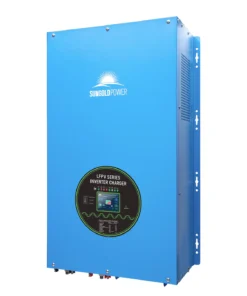
12kW / 15kW / 18kW 48V Split Phase Pure Sine Wave Inverter Charger
best solar inverter
best solar inverter
best solar inverter
Reviews
There are no reviews yet.