
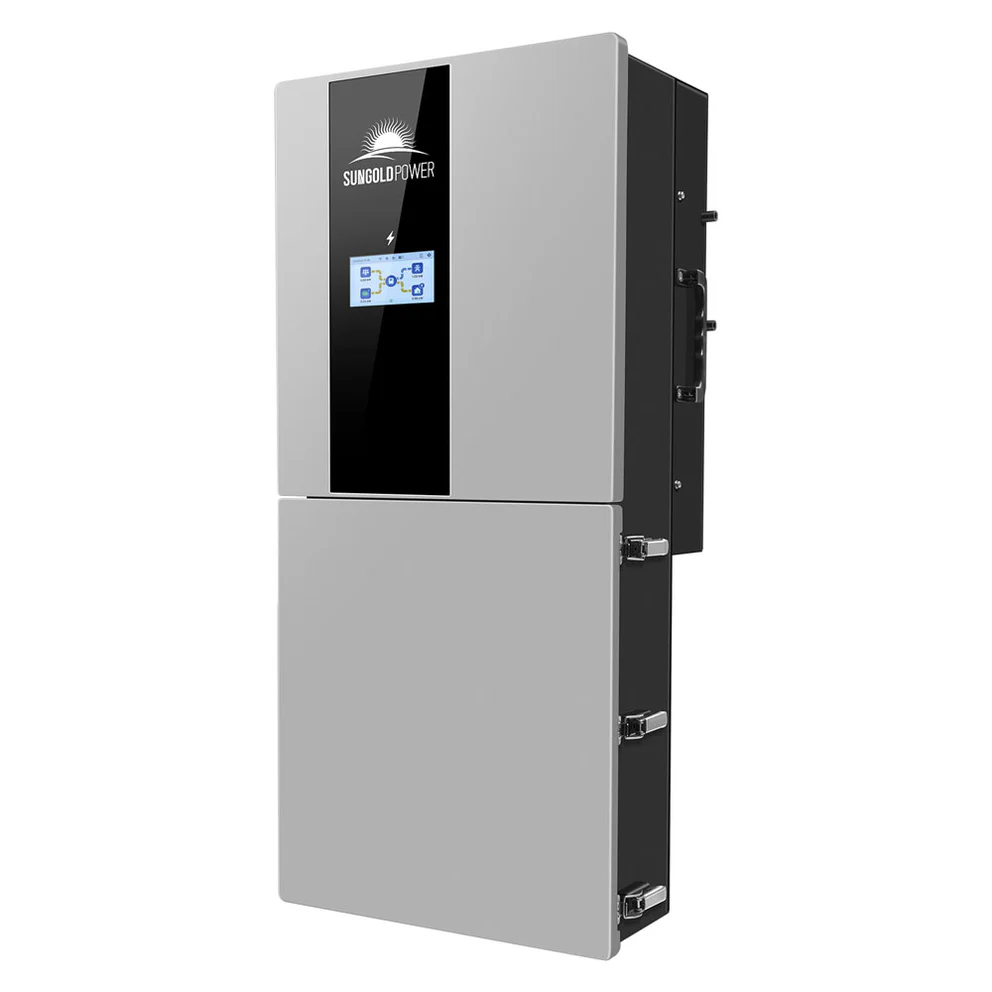
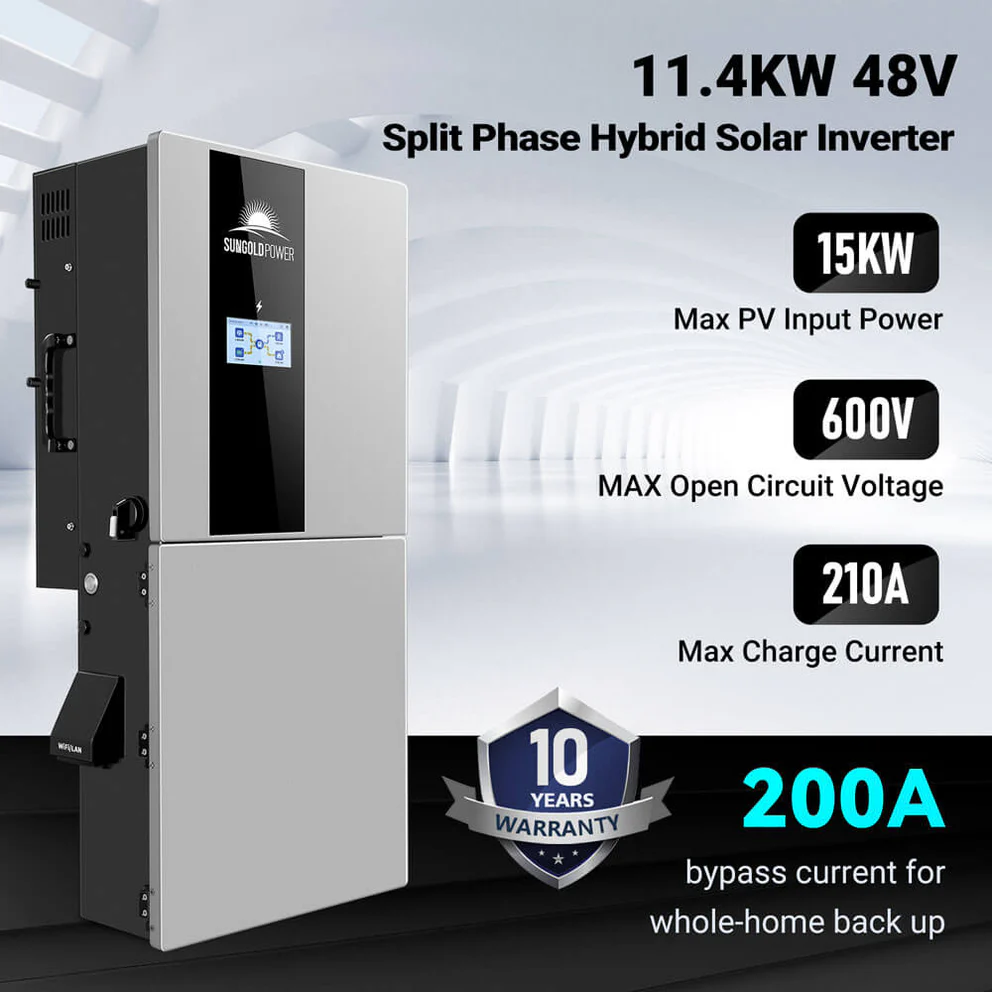

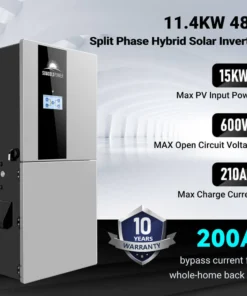
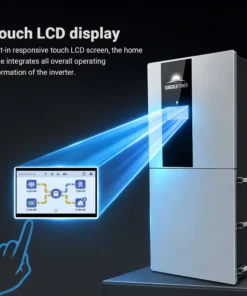
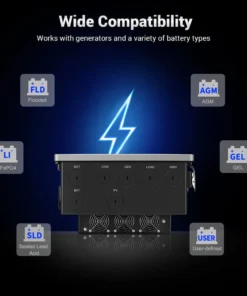
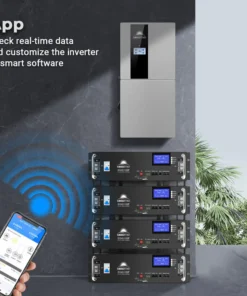
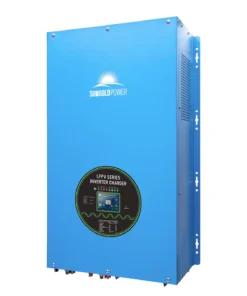
The hybrid inverter that covers the entire house — not just the critical loads panel — the SGN-11K15PRO delivers 200A of whole-home grid passthrough current, 11,400W of continuous backup output, 15,000W of PV input capacity across three independent MPPT channels and 210A bidirectional battery interface in an IP65-rated enclosure with a 10-year warranty. Where most residential hybrid inverters top out at 60–80A passthrough, the 200A rating means the main electrical panel — with all of its circuits, breakers and loads intact — operates from this inverter’s output during grid outages without any load shedding or critical-load segregation requirement. This is the definition of whole-home backup from a hybrid solar system, and the SGN-11K15PRO delivers it from a single certified unit.
Table of Contents
- Complete Product Specifications
- 200A Whole-Home Backup — The Specification That Changes Everything
- 15,000W PV Input Across Three MPPT Channels
- Three Operating Modes Without Compromise
- Battery Interface — 210A Bidirectional
- AC-Coupled Functionality
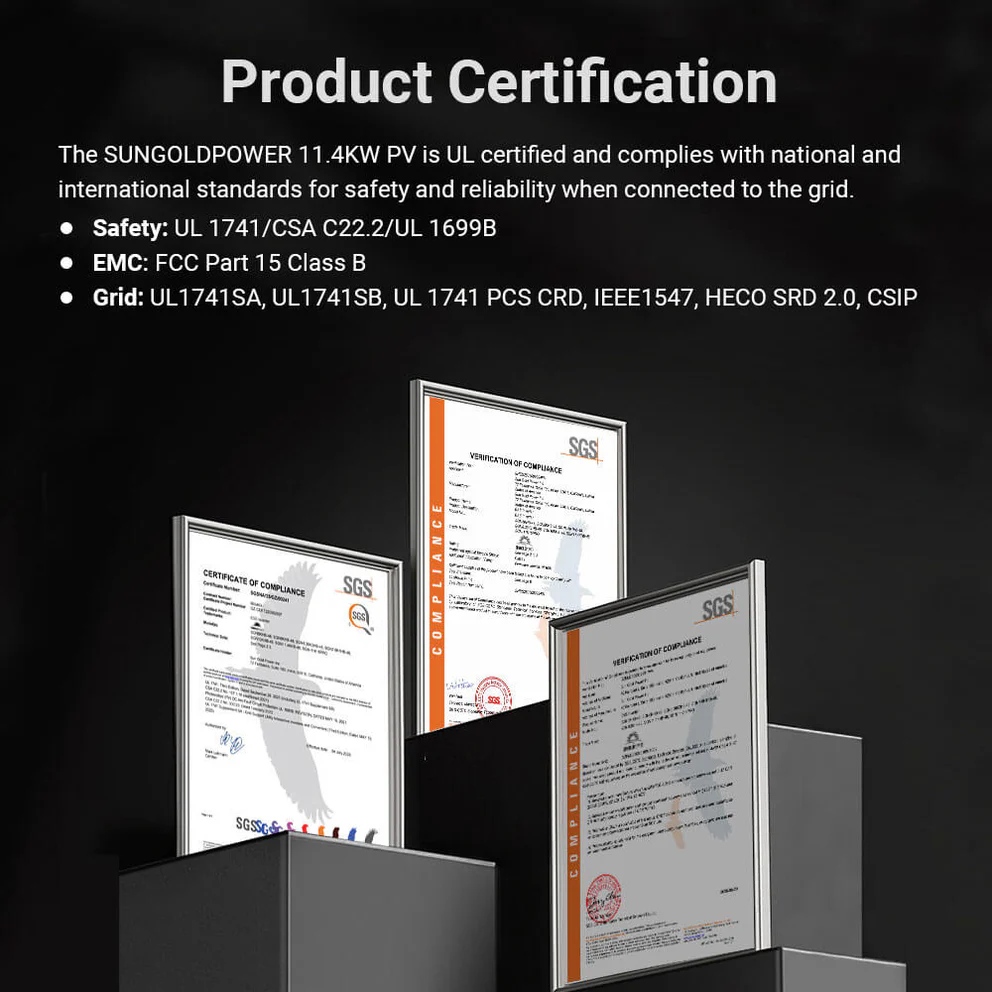
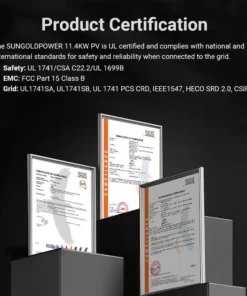
- Certification Stack — The Full Compliance Picture
- SGN-11K15PRO vs SGN11.4KHB-48 — How to Choose
- FAQ
Complete Product Specifications
| Parameter | SGN-11K15PRO |
|---|---|
| PV Input | |
| Max PV Input Power | 15,000W |
| Max PV Voltage | 600V DC |
| Startup Voltage | 90V DC |
| MPPT Operating Voltage Range | 70–540V DC |
| Max Input Current per MPPT | 30A / 22A / 22A |
| Number of MPPT Trackers | 3 |
| Battery Interface | |
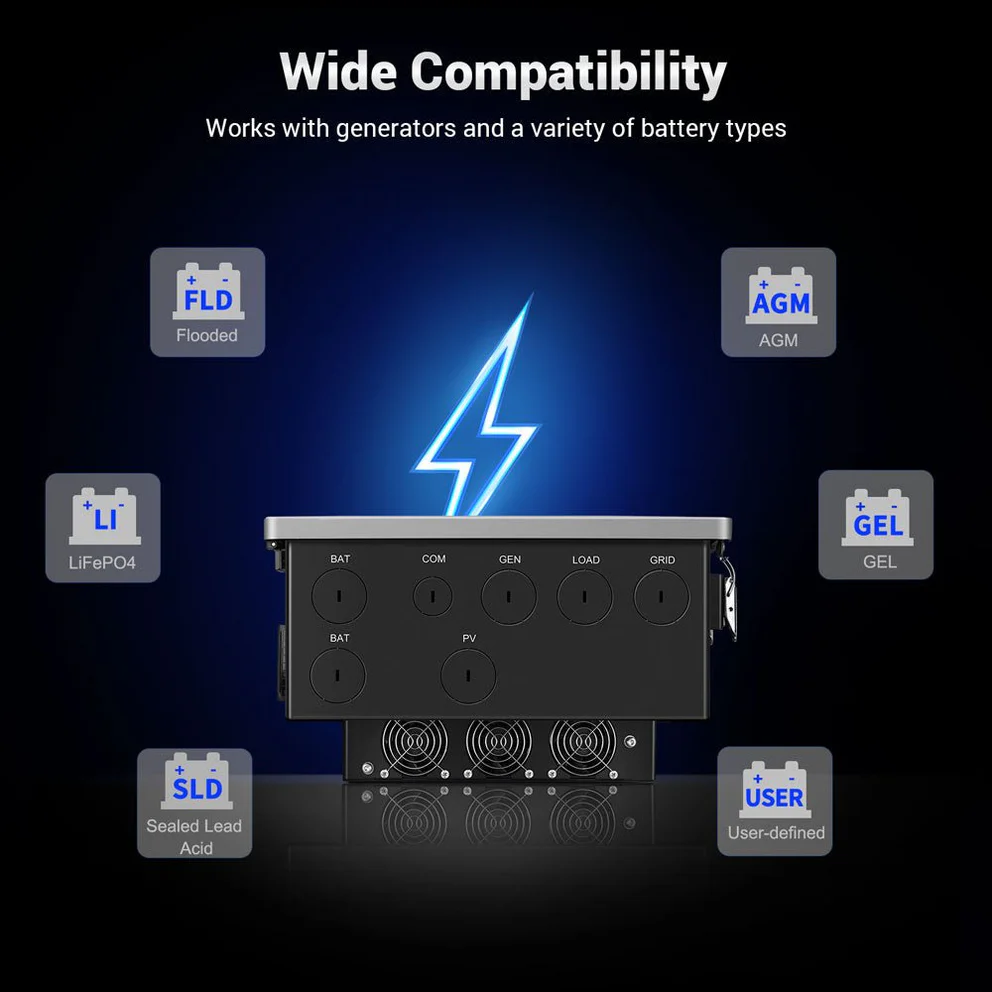
| Compatible Battery Types | Lithium-ion, Lead-Acid |
| Battery Voltage Range | 40–64V DC |
| Max Charge / Discharge Current | 210A / 210A |
| Max Charge / Discharge Power | 10,000W / 10,000W |
| Grid Output | |
| Max AC Output Power | 11,400W |
| Max AC Output Current | 47.5A |
| Max Grid Passthrough Current | 200A |
| Nominal Grid Voltage | 120/240V AC (split phase) / 208V (2/3 phase) |
| Nominal Grid Frequency | 50/60Hz |
| Power Factor | >0.99 (adjustable 0.8 LD–0.8 LG) |
| Backup Output | |
| Max Backup Output Power | 11,400W |
| Nominal Backup Current | 41.7A |
| Peak Power | 20,000VA |
| Backup Output Voltage | 120/240V (split phase) / 208V (2/3 phase) |
| Transfer Time | <10ms (typical) |
| THD (V) | <3% at 100% resistive load |
| Protection | |
| Protection Category | Class I |
| AC Overcurrent Protection | Yes |
| DC/AC Overvoltage Protection | DC Type II, AC Type III |
| AC Short Circuit Protection | Yes |
| DC Reverse Protection | Yes |
| Surge Arrester | DC Type II, AC Type III |
| RSD | Yes |
| General | |
| Ingress Protection | IP65 / NEMA 3R |
| Operating Temperature | -25 to +60°C (derated above 45°C) |
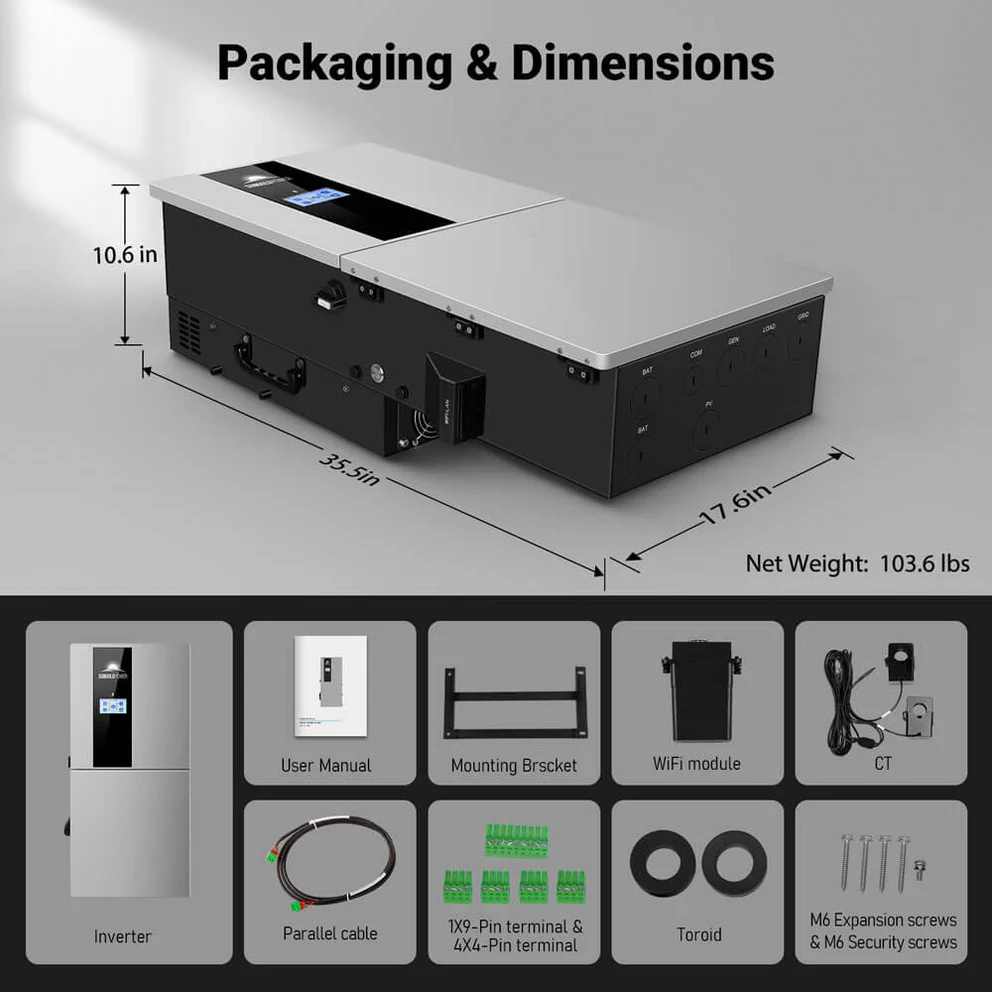
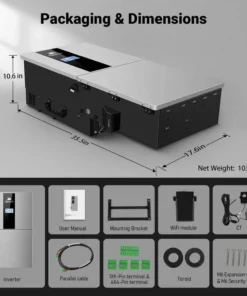
| Dimensions (W×H×D) | 17.6 × 35.5 × 10.6 inch (448 × 901 × 270 mm) |
| Weight | 103.6 lb / 40 kg |
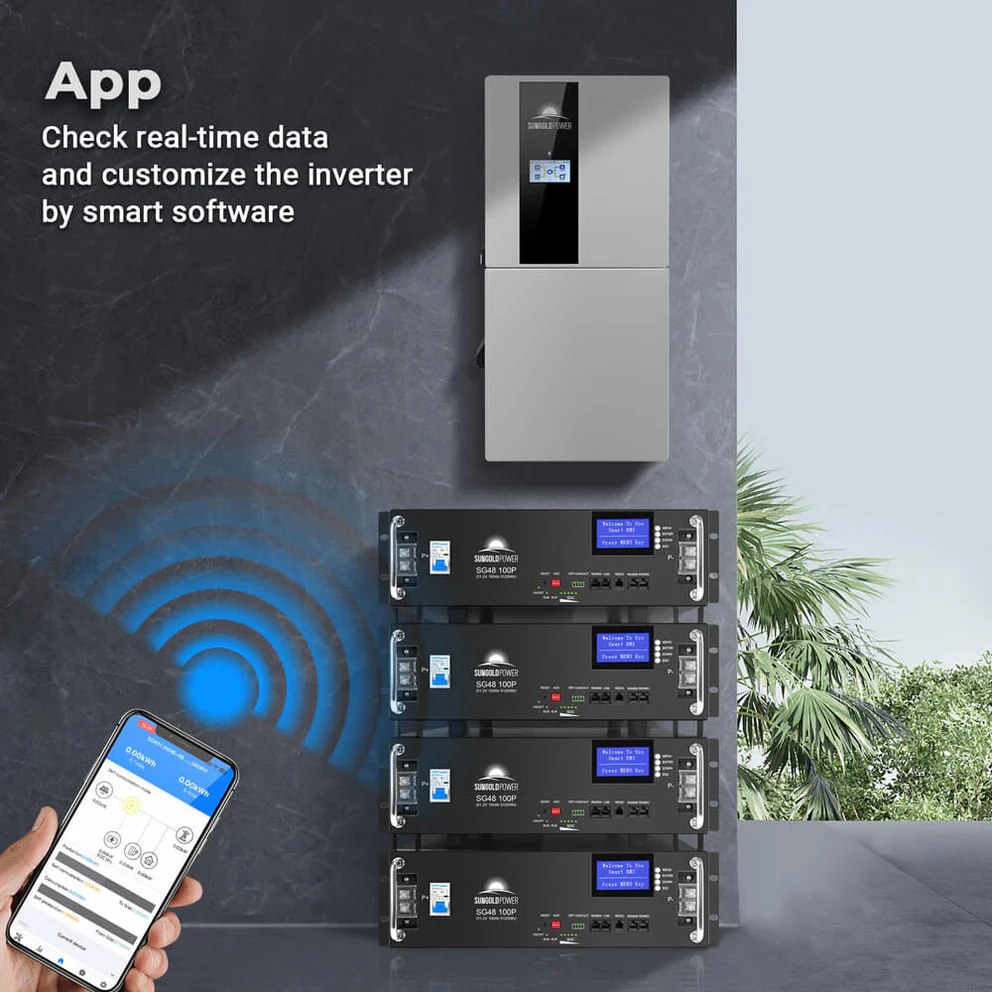
| Display | Wireless app + LED + LCD (optional) |
| Communication | CAN (BMS), RS485 (meter), RS485/CAN (parallel), Optional WiFi/LAN |
| Certifications | UL 1741, CSA C22.2, UL 1699B, UL 1741SA, UL 1741SB, UL 1741 PCS CRD, IEEE 1547, HECO SRD 2.0, CSIP |
| Warranty | 10 Years |
200A Whole-Home Backup — The Specification That Changes Everything
The single number that separates the SGN-11K15PRO from every standard residential hybrid inverter on the market is the 200A grid passthrough current rating. Understanding why this matters requires understanding what passthrough current actually determines.
When grid power is available, a hybrid inverter passes utility current through to the main electrical panel via the passthrough circuit — essentially acting as a transparent switch between the utility feed and the panel. The passthrough current rating determines the maximum amperage of that utility feed that the inverter can handle without bypass or separation.
Standard North American residential service is 200A. A home with 200A service can draw up to 200A from the utility at any moment across all circuits. A hybrid inverter with a 60A or 80A passthrough current cannot handle this — it either limits the utility supply to its passthrough rating, or it requires the installation of a critical loads sub-panel that physically separates the circuits the inverter can back up from the ones it cannot.
The SGN-11K15PRO’s 200A passthrough eliminates this limitation entirely. The inverter connects to the full 200A service panel without any sub-panel installation. During normal grid operation, the full 200A of utility current flows through the inverter to the panel — every circuit, every breaker, every load operates normally. During a grid outage, the inverter switches to backup output within 10ms, powering the same full panel from solar and battery without any circuit reconfiguration.
That is genuine whole-home backup. Not critical-load backup. Not partial-panel backup. The entire house.
15,000W PV Input Across Three MPPT Channels
The three independent MPPT channels — rated 30A, 22A and 22A at up to 600V DC open-circuit — accept up to 15,000W of combined PV array input. At 15kW of solar input capacity against 11.4kW of continuous output, the system consistently has more generation than it needs during peak solar hours — the surplus goes to battery charging or grid export depending on the configured priority.
For hybrid inverters for solar installations where battery charging speed is important — properties where the battery bank needs to recover as quickly as possible each day for overnight operation — the 15kW PV input capacity ensures maximum charging rate during the solar generation window rather than bottlenecking on inverter PV input limits.
Three Operating Modes Without Compromise
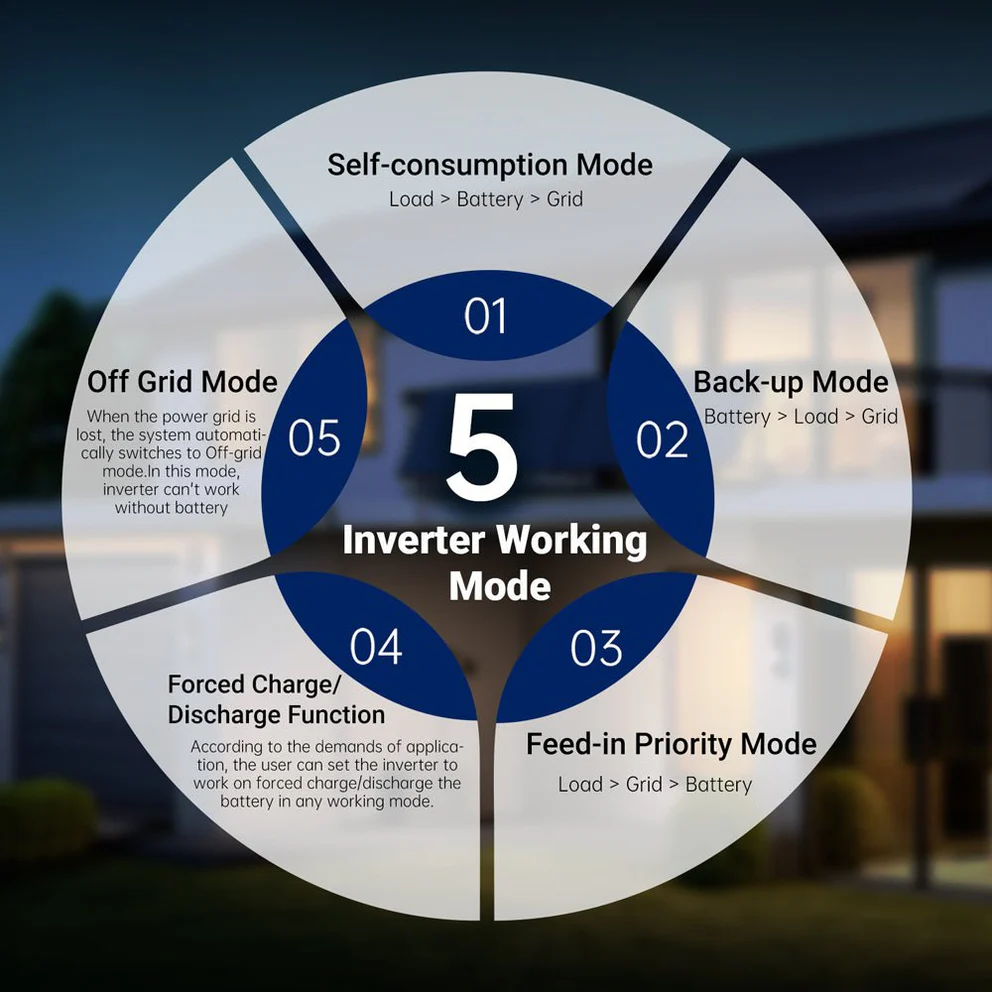
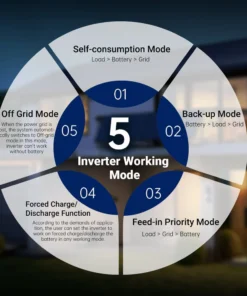
The SGN-11K15PRO operates in off-grid, hybrid and grid-tied modes — and critically, it does not require manual mode switching between them. The mode transitions are automatic:
- Grid present, battery charged: Solar powers loads; excess exported to grid.
- Grid present, battery depleted: Grid charges battery; solar powers loads.
- Grid absent, battery charged: Inverter backs up the full 200A panel from solar and battery.
- Grid absent, battery depleted: Inverter operates from solar generation only (when available).
- Solar insufficient, grid present: Grid supplements load demand and battery charging.
Every transition is governed by the configured priority settings — battery-first, solar-first or grid-first — and executes automatically without user intervention.
Battery Interface — 210A Bidirectional
At 210A maximum charge and 210A maximum discharge, the battery interface in this hybrid solar inverters unit does not constrain the system at any realistic battery or load configuration. The 10,000W maximum charge power — calculated as 210A × 48V — allows a fully depleted large-capacity LiFePO4 bank to absorb maximum power from both solar and grid simultaneously.
The 210A discharge direction feeds the inverter’s 11,400W continuous output without operating near the discharge current limit — the battery interface has 25% current headroom above what the inverter’s rated AC output requires, preventing the thermal stress that occurs when battery interfaces are sized exactly to rated output with no headroom.
AC-Coupled Functionality
The SGN-11K15PRO supports AC coupling — the ability to connect an existing grid-tied inverter to its AC output circuit rather than replacing it. For properties that already have a grid-tied solar installation and want to add battery storage and hybrid operation without replacing existing PV equipment, AC coupling allows the existing grid-tied inverter to continue operating while the SGN-11K15PRO manages battery charging, backup output and grid interaction.
This is a significant retrofit advantage — AC coupling reduces the cost and disruption of adding hybrid capability to an existing solar installation by eliminating the need to rewire the PV array.
Certification Stack — The Full Compliance Picture
The SGN-11K15PRO carries a certification stack that covers every major North American grid-interconnection and safety standard currently enforced:
- UL 1741SA / UL 1741SB: Advanced grid support functions for smart inverter markets — mandatory for interconnection in California, Hawaii and utilities that have adopted advanced inverter requirements.
- UL 1741 PCS CRD: Power Control System Customer Registration Document — the advanced inverter functionality registration required by some California utilities.
- IEEE 1547: The current interconnection standard for distributed energy resources — required for grid-tied operation in most US utility service territories.
- HECO SRD 2.0: Hawaiian Electric Companies smart inverter requirements — among the strictest in North America.
- CSIP: Common Smart Inverter Profile — the communication protocol standard for utility-controlled smart inverter functions.
SGN-11K15PRO vs SGN11.4KHB-48 — How to Choose
Both units are 11.4kW 48V three-MPPT hybrid inverters with identical PV input, battery interface and backup output specifications. The differences are:
| Feature | SGN11.4KHB-48 | SGN-11K15PRO |
|---|---|---|
| Grid Passthrough | Standard | 200A (whole-home) |
| AC Coupling | Not specified | Yes |
| Dimensions | 16.5 × 31.5 × 9.4 in | 17.6 × 35.5 × 10.6 in |
| Weight | 83.6 lb | 103.6 lb |
| Price | Lower | Higher |
| Certifications | UL 1741, 1741SA/SB, IEEE 1547 | Adds PCS CRD, CSIP, HECO 2.0 |
| Best For | Properties with critical-load sub-panel acceptable | Properties requiring whole-panel backup without sub-panel |
Choose the SGN-11K15PRO when the property has 200A service and whole-home backup without sub-panel installation is the requirement. Choose the SGN11.4KHB-48 when partial-panel backup is acceptable and cost optimisation is a priority.
Explore the complete hybrid inverter range in our Hybrid Solar Inverters, Solar Kits and Off-Grid Power Systems categories.
FAQ
What makes this hybrid inverter’s 200A passthrough the right specification for a standard home? Standard North American residential electrical service is 200A — meaning the main electrical panel can handle up to 200A from the utility at peak demand. A hybrid inverter with a lower passthrough rating forces either a service downgrade or a critical-loads sub-panel installation that segregates backed-up circuits from non-backed-up circuits. The SGN-11K15PRO’s 200A passthrough matches the full service amperage, allowing the inverter to connect directly to the existing main panel without any sub-panel installation or circuit segregation.
What does AC-coupled functionality enable for existing solar owners? AC coupling allows a grid-tied inverter already installed on a property’s solar array to connect to the SGN-11K15PRO’s AC output circuit. The existing inverter continues generating from the solar array; the SGN-11K15PRO manages battery charging from that AC-coupled generation, handles backup output during outages and manages grid interaction. The PV array wiring does not change — only the grid-side connection is modified. This makes the SGN-11K15PRO a retrofit-friendly addition to an existing solar installation.
What certification is required for grid-tied operation with my utility? Most US utilities require IEEE 1547-2018 compliance for distributed energy resource interconnection — this unit carries that certification. California, Hawaii and utilities that have adopted advanced inverter requirements additionally require UL 1741SA and/or UL 1741SB — this unit carries both. For specific utility interconnection applications, provide the inverter model and certification documentation to your utility’s interconnection department.
What is the minimum battery bank size recommended for whole-home backup with this hybrid solar inverters unit? For genuine whole-home backup — powering the entire 200A panel from battery during an outage — the battery bank should be sized to cover overnight consumption at your property’s average load. A conservative minimum is 20kWh for a moderately efficient home. Large homes with always-on loads (HVAC, refrigeration, freezers, pool pumps) should consider 30–40kWh minimum capacity to achieve meaningful overnight autonomy.
Does the SGN-11K15PRO require a separate solar charge controller? No. The three integrated MPPT charge controllers — accepting up to 15,000W of PV input at up to 600V DC — handle all solar charging directly within the unit. No external charge controller is required. The unit manages all energy flows: solar charging, grid charging, battery discharge for AC output, grid export and backup operation, entirely within its integrated hardware.
Be the first to review “11.4kW 48V Split Phase Hybrid Solar Inverter SGN-11K15PRO — Whole Home Backup 200A”
Related products
best solar inverter
best solar inverter
best solar inverter
best solar inverter
best solar inverter
best solar inverter
best solar inverter
best solar inverter
Reviews
There are no reviews yet.