
-
×
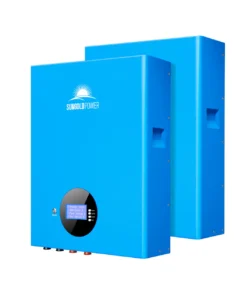 48V Battery Solar 2×5.12kWh Authentic Wall Mount UL1973
1 × $2,025.00
48V Battery Solar 2×5.12kWh Authentic Wall Mount UL1973
1 × $2,025.00
Subtotal: $2,025.00
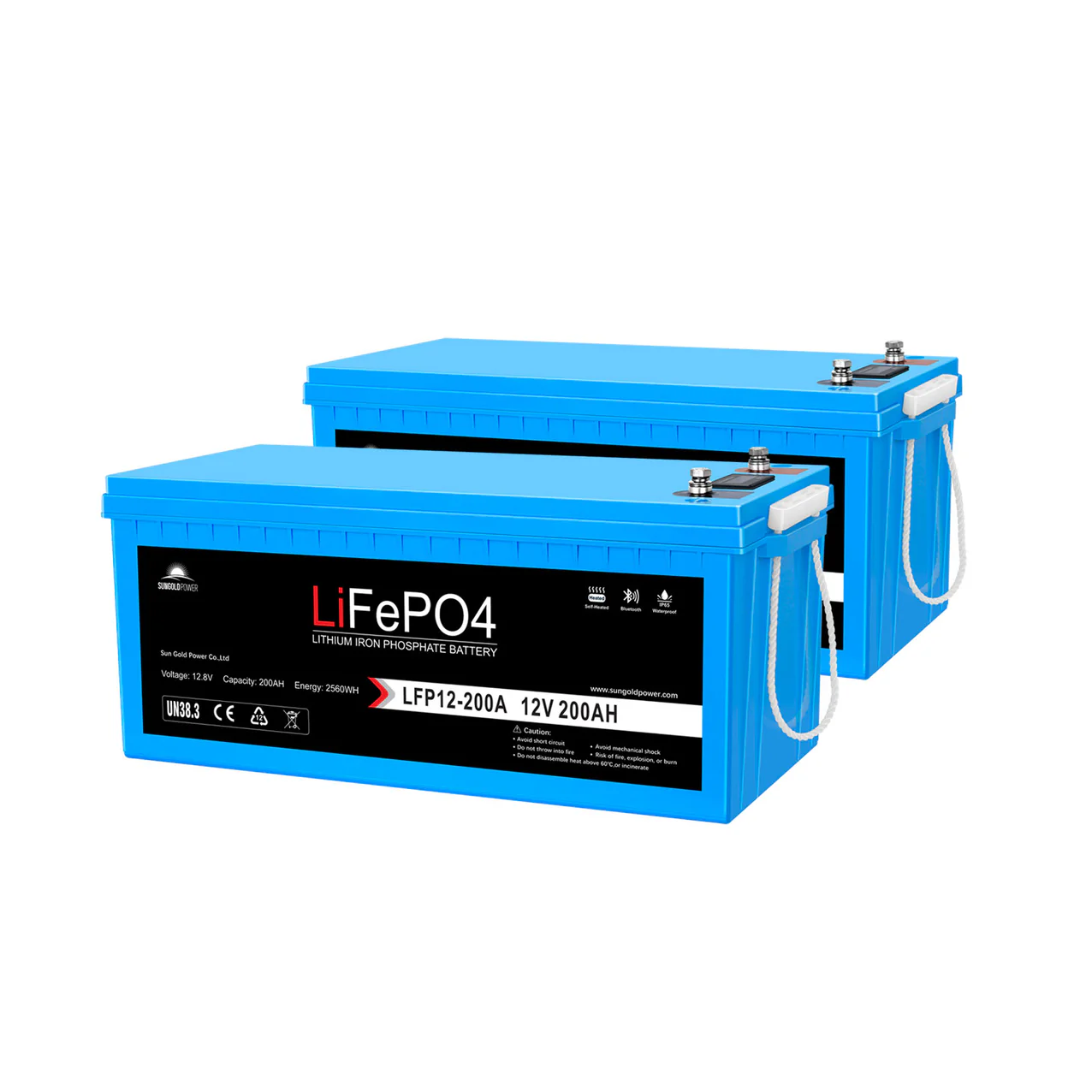
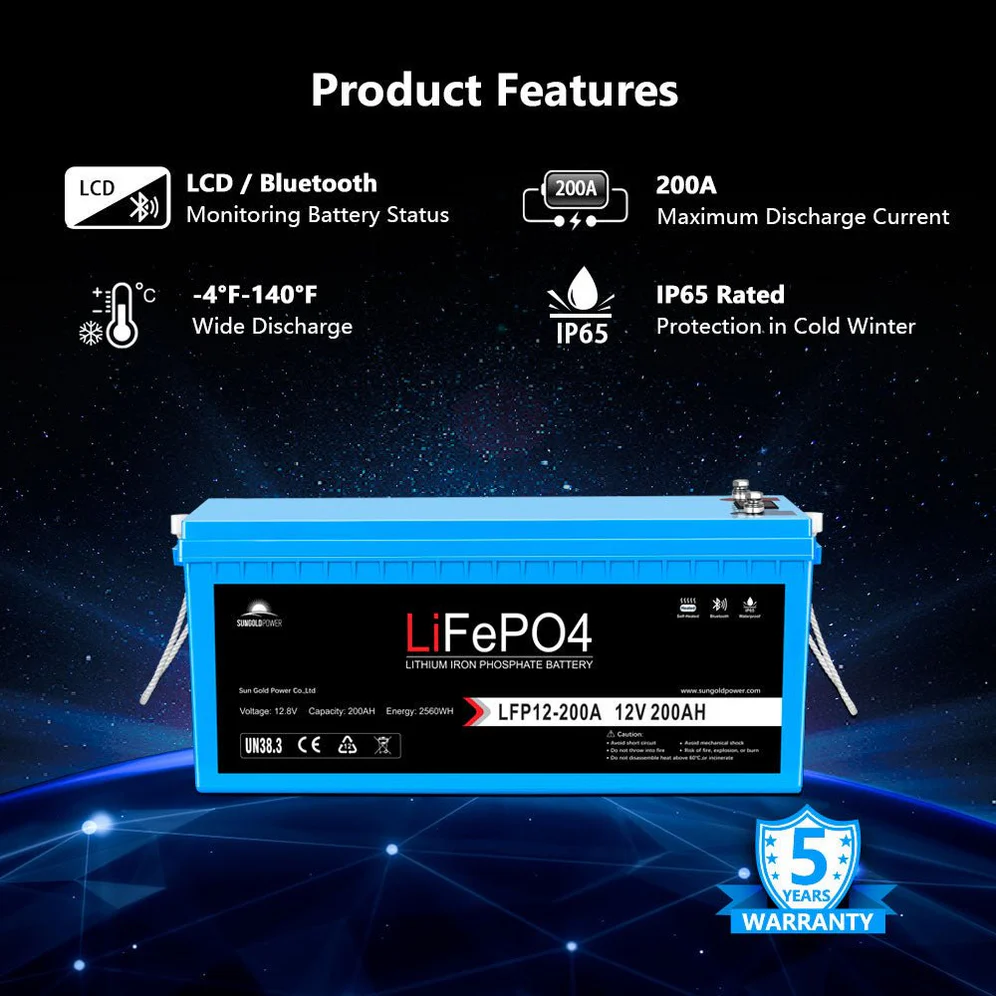
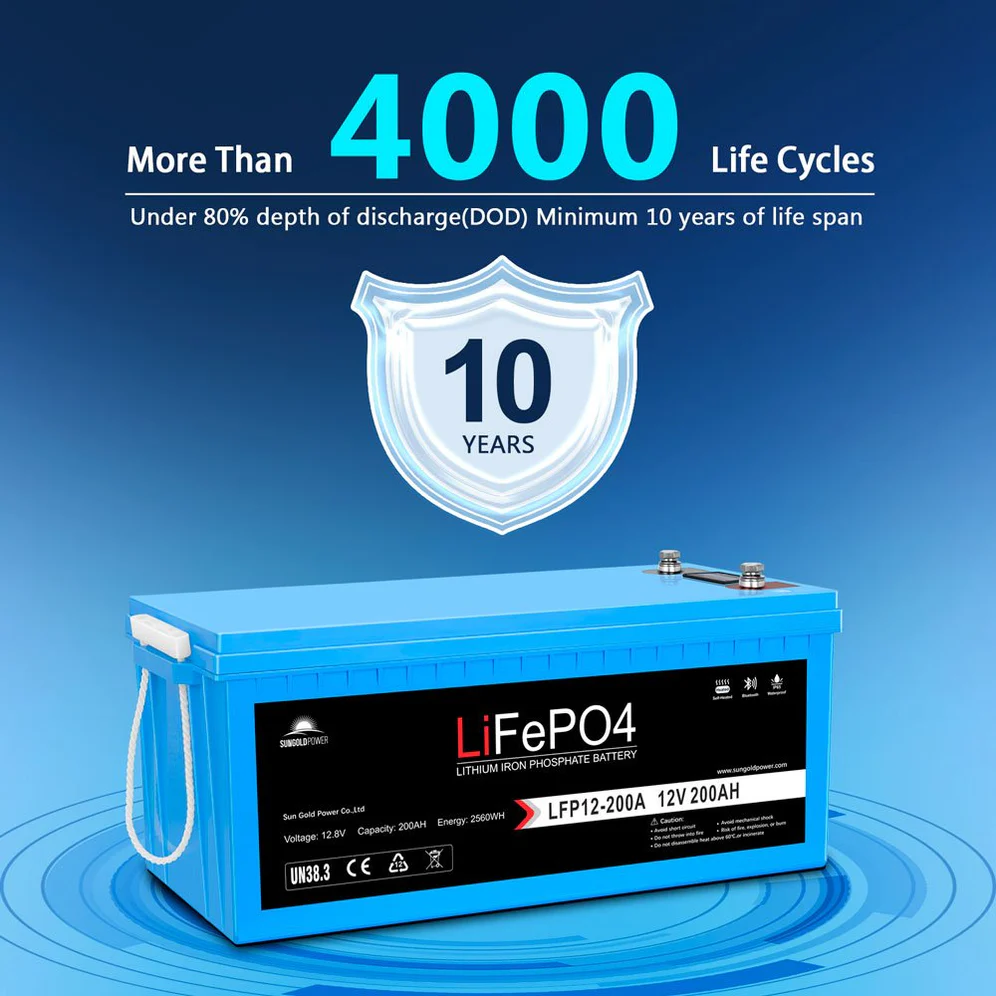
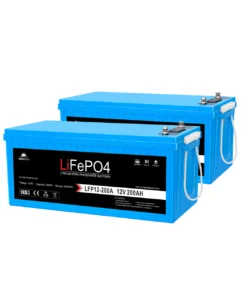
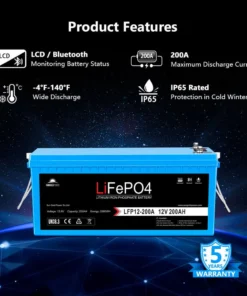
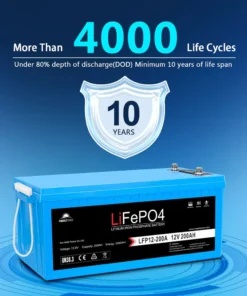
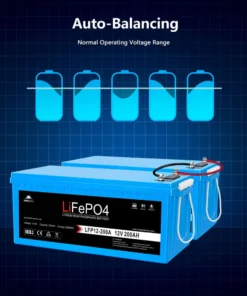
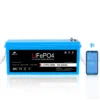
This listing provides two SunGoldPower 12V 200Ah lithium deep cycle batteries, each rated for more than 4,000 cycles at 80% depth of discharge, with self-heating, IP65 weatherproofing, and Bluetooth BMS communication. Connected in parallel, the pair delivers 400Ah of capacity at 12V — 5,120Wh of usable energy — making this a practical starting point for an RV house bank, a solar storage system running 24 hours off-grid, or a marine installation where weight and cycle life are the primary selection criteria.
Table of Contents
| Specification | Value (per unit) |
|---|---|
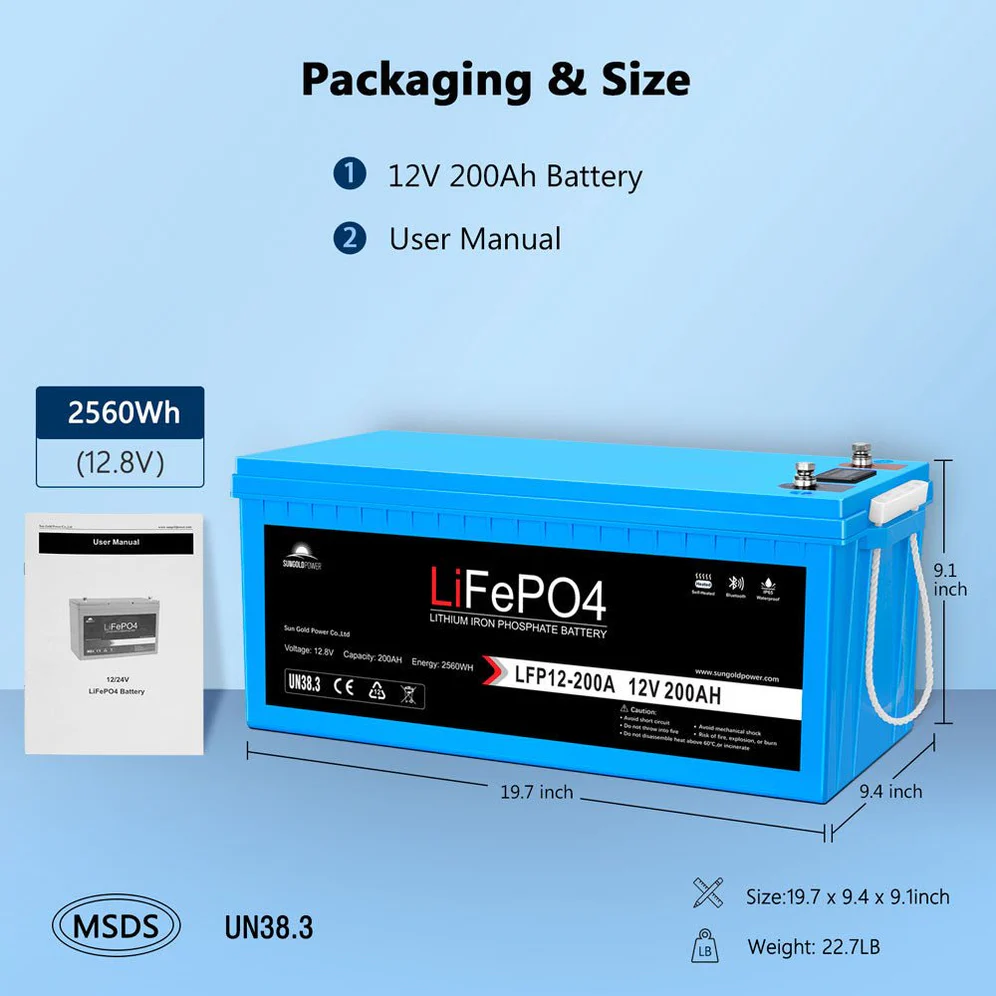
| Nominal Voltage | 12.8V |
| Nominal Capacity | 200Ah |
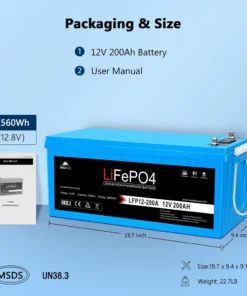
| Energy | 2,560Wh |
| Efficiency | >99.5% |
| Voltage Window | 10.8–14.6V |
| Max Continuous Charge Current | 150A |
| Peak Discharge Current | 245A (15s + 2s) |
| Recommended Charge Current | 100A |
| Recommended Discharge Current | 100A |
| Cycle Life (0.2C, 77°F, 80% DOD) | ≥4,000 |
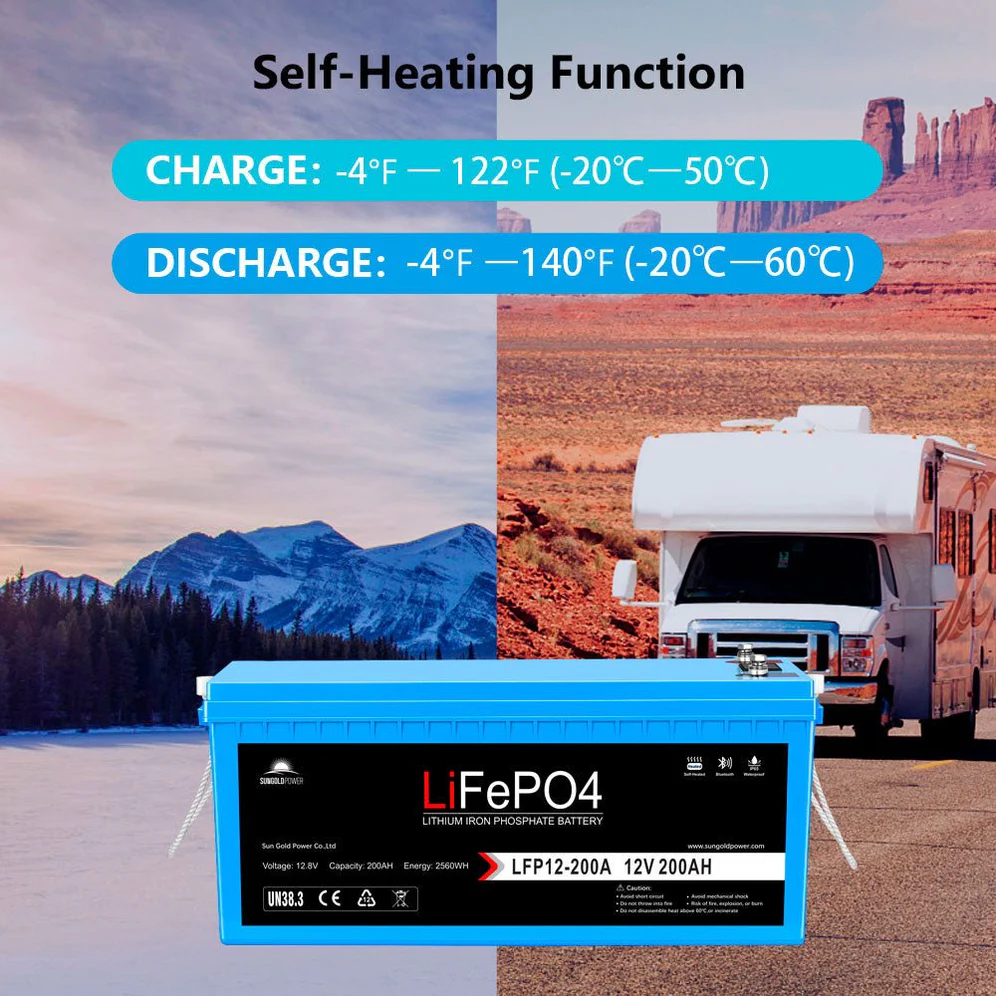
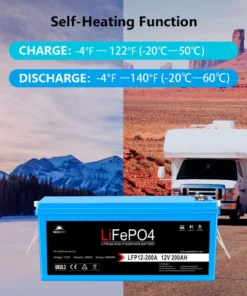
| Charge Temperature | -4°F to 113°F |
| Discharge Temperature | -4°F to 131°F |
| Case Material | ABS |
| Dimensions (L×W×H) | 19.7 × 9.4 × 9.1 in |
| Weight | 48.5 lb per unit |
| Terminal Type | M8 |
| IP Grade | IP65 |
| Monitoring | LCD + Bluetooth |
| Max Parallel | 4 units |
| Max Series | 4 units |
Two-unit parallel bank:
| Configuration | Value |
|---|---|
| Total Capacity | 400Ah at 12V |
| Total Energy | 5,120Wh |
| Total Weight | 97 lb |
| Max Parallel Expansion | Up to 4 units total |
A 400Ah bank at 12V holds 4,800Wh at 100% state of charge. With LiFePO4 chemistry, 80% of that — 3,840Wh — is routinely accessible without degrading cycle life. That translates to approximately:
A lead-acid bank rated at 400Ah would derate to 200–240Ah at these discharge rates before accounting for the accelerated aging that deep cycling causes in lead-acid chemistry. The 12 volt batteries LiFePO4 architecture delivers the full 400Ah at any discharge rate within the operating range.
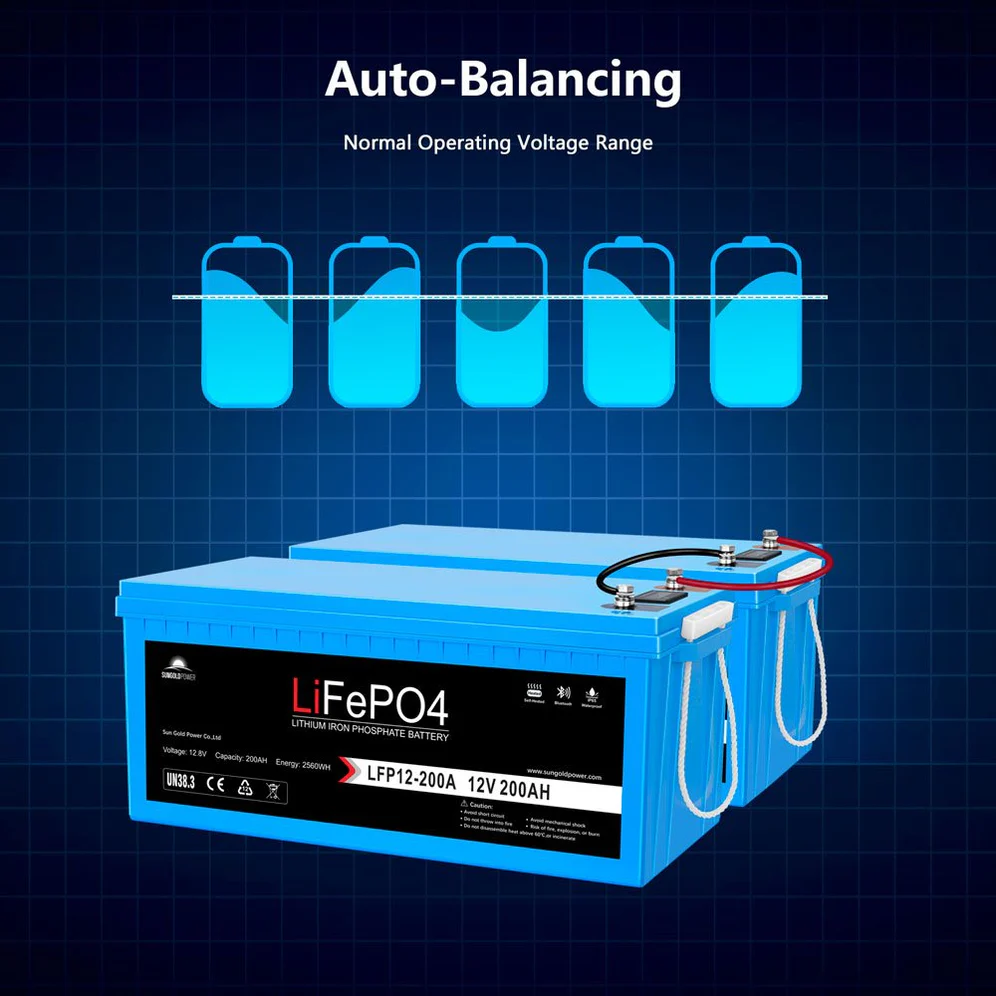
Connecting two 200Ah units in parallel requires attention to three things before the bank goes into service:
This is a suitable lifepo4 battery solar system configuration for systems with a single 12V MPPT charge controller rated at 100A or above, where the controller output connects to a busbar feeding both batteries equally.
At 48.5 lb each, these batteries represent a meaningful investment. The self-heating function is what protects that investment in installations where overnight temperatures drop below freezing. When the BMS detects cell temperature below the safe charging threshold, the heating element activates automatically, consuming a small amount of energy from the battery itself to bring cells to safe operating temperature before any charge current is accepted.
The practical result is that a 12 volt solar battery installation in a cold climate continues to accept a full solar charge every morning — even after a night well below freezing — without the battery rejecting charge or the charge controller throwing a fault. Discharge performance is maintained continuously down to -4°F regardless of whether the heater has activated.
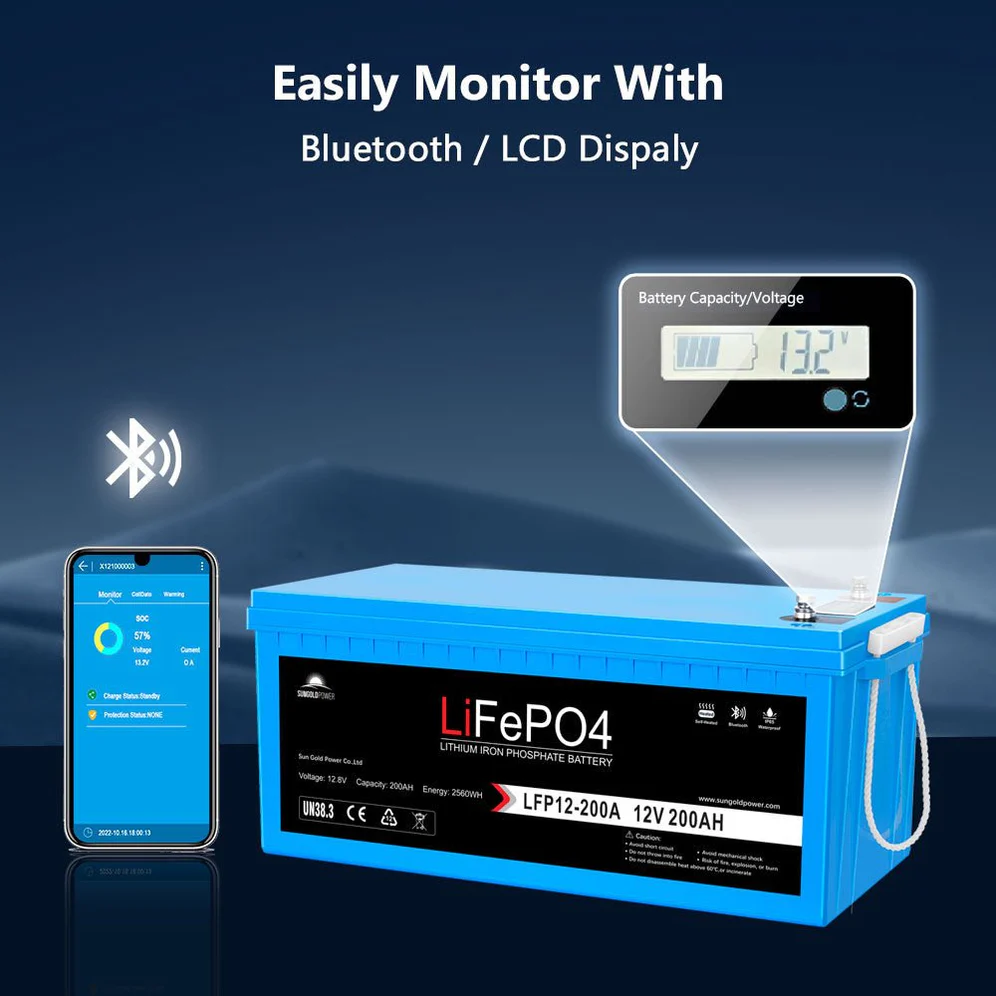
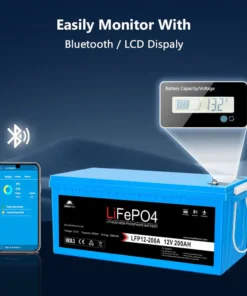
Each unit communicates independently via Bluetooth to a smartphone app. With two units in the bank, both can be monitored simultaneously — confirming that current sharing is balanced and that neither unit’s BMS is flagging any cell anomalies. The app displays cell voltages, state of charge, charge and discharge current, temperature, and cumulative cycle count for each unit independently.
Browse our full 12V LiFePO4 Batteries, Solar Battery Storage, and Off-Grid Power Systems collections for compatible inverters, charge controllers, and complete system configurations.
Q: Can I add more units to this two-battery bank later? Yes. Each 200Ah unit supports up to four units in parallel total, so the bank can expand to 400Ah or 800Ah by adding one or two additional matching units. All units in the parallel bank must be the same model and at the same state of charge at the time of connection.
Q: What charge controller is needed for a 400Ah bank? For a solar application, an MPPT charge controller with a lithium profile and a minimum 80–100A output rating is recommended to charge a 400Ah bank at a reasonable C-rate. The recommended charge current of 100A per unit means the parallel bank accepts up to 200A combined — a 100A MPPT controller at 12V outputs roughly 1,200W from solar, which is practical for most mid-size RV and cabin systems.
Q: Is this a batterie lithium 12v that works with standard inverters? Yes. A batterie lithium 12v LiFePO4 unit is compatible with any pure sine wave or modified sine wave inverter rated for 12V battery input. The 10.8V lower voltage cutoff aligns with the low-voltage disconnect settings of most residential-grade 12V inverters.
Q: How long does a full charge take from solar? Charge time depends entirely on the solar array and charge controller output. At 100A of charging current per unit — 200A combined for the bank — a fully depleted 400Ah bank requires approximately two hours to reach full charge from a 200A MPPT source. A smaller 50A controller would require approximately four hours. Actual time varies with irradiance conditions.
Q: What does IP65 mean for a marine or outdoor installation? IP65 certifies that the enclosure is completely sealed against dust ingress and withstands sustained low-pressure water jets from any direction. In a marine bilge compartment or exposed outdoor enclosure, this means the battery case resists splash, spray, and condensation without allowing moisture to reach the cells or BMS electronics.
Lithium Solar Batteries
Lithium Solar Batteries
CoreX 5 Pro Server Rack 48V 100Ah Residential Energy Storage Battery — WiFi and Bluetooth
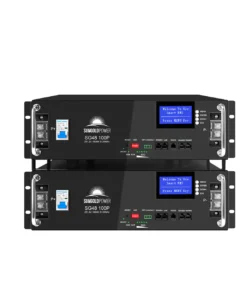
Lithium Solar Batteries
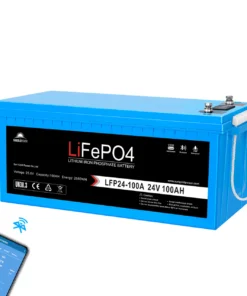
Lithium Solar Batteries
Premium Solar Batteries for Sale-24V 100Ah LiFePO4 Lithium Battery
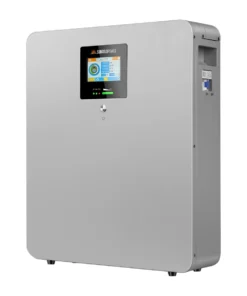
Lithium Solar Batteries
Reviews
There are no reviews yet.